
Waking up with a puffy face can be both uncomfortable and concerning. Facial swelling when waking up, also known as morning facial edema, is a common issue that many people experience. In this blog post, we’ll explore the causes of facial swelling when waking up, how to reduce it, and when to seek medical attention.
What Causes Facial Swelling When Waking Up?
Facial swelling when waking up can be attributed to a variety of factors, ranging from lifestyle habits to underlying medical conditions. Below are some of the most common causes:
1. Water Retention
Water retention is one of the primary reasons for facial swelling when waking up. Consuming too much salt or alcohol before bed can lead to fluid retention, causing your face to appear puffy in the morning. Sodium causes your body to hold onto excess water, which can accumulate in your facial tissues overnight. Similarly, alcohol dehydrates your body, prompting it to retain water as a compensatory mechanism.
2. Sleep Position
Sleeping on your stomach or with your face pressed into the pillow can cause fluid to accumulate in your facial tissues, leading to swelling. Gravity plays a significant role here, as fluid naturally pools in the lower parts of your body, including your face, when you lie flat. Elevating your head slightly while sleeping can help prevent this.
3. Allergies
Allergies to dust, pollen, or pet dander can cause inflammation and swelling in the face, especially around the eyes and cheeks. Allergic reactions trigger the release of histamines, which increase blood flow to the affected areas and cause fluid buildup. Seasonal allergies or reactions to skincare products can also contribute to morning puffiness.
4. Sinus Issues
Sinus congestion or infections can lead to facial swelling when waking up, particularly around the eyes and nose. When your sinuses are blocked, pressure builds up, causing inflammation and puffiness. Conditions like sinusitis or even a common cold can exacerbate this issue, making your face appear swollen upon waking.
5. Dehydration
Not drinking enough water can cause your body to retain fluids, leading to a puffy face in the morning. When you’re dehydrated, your body holds onto water to maintain essential functions, which can result in swelling. Ensuring adequate hydration throughout the day can help prevent this.
6. Medical Conditions
Certain medical conditions, such as kidney problems, thyroid issues, or heart disease, can cause chronic facial swelling when waking up. Kidney dysfunction can impair fluid balance, leading to edema (swelling) in the face and other parts of the body. Hypothyroidism can slow down your metabolism, causing fluid retention. Heart conditions, particularly congestive heart failure, can also lead to fluid buildup in the face and extremities.

How to Reduce Facial Swelling When Waking Up
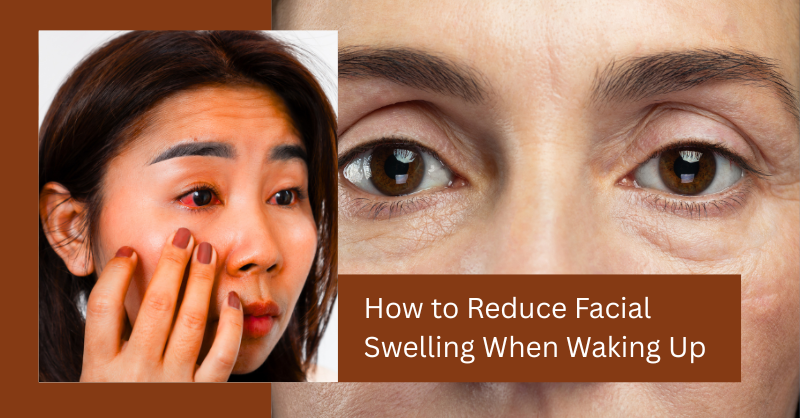
If you’re looking for ways to reduce facial swelling when waking up, here are some effective remedies:
1. Stay Hydrated
Drinking plenty of water throughout the day can help prevent fluid retention and reduce morning puffiness. Aim for at least 8-10 glasses of water daily. Proper hydration ensures that your body doesn’t hold onto excess water, which can contribute to facial swelling.
2. Limit Salt and Alcohol Intake
Reducing your consumption of salty foods and alcohol, especially before bed, can help minimize facial swelling when waking up. Opt for low-sodium snacks and meals, and avoid alcohol at least 2-3 hours before bedtime. This will help your body maintain a healthy fluid balance.
3. Elevate Your Head While Sleeping
Sleeping with your head slightly elevated can prevent fluid from accumulating in your face. Use an extra pillow or a wedge pillow to keep your head raised. This position encourages proper lymphatic drainage and reduces the likelihood of waking up with a puffy face.
4. Use a Cold Compress
Applying a cold compress to your face in the morning can help reduce swelling and tighten the skin. The cold temperature constricts blood vessels, reducing inflammation and puffiness. You can use a chilled spoon, a cold washcloth, or even a bag of frozen peas wrapped in a towel.
5. Practice Facial Massage
Gently massaging your face can stimulate lymphatic drainage and reduce puffiness. Use your fingertips to apply light pressure, moving from the center of your face outward. Focus on areas like your cheeks, jawline, and under-eye region. This technique helps flush out excess fluid and toxins.
6. Incorporate Anti-Inflammatory Foods
Adding anti-inflammatory foods like cucumbers, watermelon, and leafy greens to your diet can help reduce facial swelling when waking up. These foods are rich in water and antioxidants, which combat inflammation and promote hydration.
7. Avoid Heavy Skincare Products at Night
Using heavy creams or oils before bed can clog your pores and contribute to morning puffiness. Opt for lightweight, non-comedogenic products that won’t trap excess fluid in your skin.

When to Seek Medical Help
While occasional facial swelling when waking up is usually harmless, persistent or severe swelling could indicate an underlying medical condition. If you experience any of the following symptoms, consult a healthcare professional:
- Swelling that doesn’t improve with home remedies: If your facial swelling persists despite trying various remedies, it could be a sign of a more serious issue.
- Swelling accompanied by pain or redness: Painful or red swelling may indicate an infection or allergic reaction that requires medical attention.
- Swelling on one side of the face: Asymmetrical swelling could be a sign of a dental issue, infection, or even a neurological problem.
- Difficulty breathing or swallowing: These symptoms could indicate a severe allergic reaction (angioedema) or another life-threatening condition.
- Chronic swelling: If your facial swelling occurs daily or lasts for weeks, it could be linked to an underlying condition like kidney disease, thyroid dysfunction, or heart problems.
Common Causes of Facial Swelling When Waking Up
| Cause | Description |
|---|---|
| Water Retention | Excess salt or alcohol intake can lead to fluid retention. |
| Sleep Position | Sleeping face down can cause fluid to accumulate in the face. |
| Allergies | Allergic reactions can cause inflammation and swelling. |
| Sinus Issues | Sinus congestion or infections can lead to facial swelling. |
| Dehydration | Lack of water can cause the body to retain fluids. |
| Medical Conditions | Conditions like kidney or thyroid problems can cause chronic swelling. |
Understanding Facial Swelling When Waking Up: A Pie Chart
The pie chart above illustrates the common causes of facial swelling when waking up. The largest slice represents water retention, followed by sleep position and allergies.
Outbound Links for Further Reading
- Mayo Clinic – Edema
- WebMD – Allergy Symptoms
- Healthline – Thyroid Problems
- National Kidney Foundation – Fluid Retention
Conclusion
Facial swelling when waking up is a common issue that can be caused by a variety of factors, including water retention, sleep position, allergies, and medical conditions. By understanding the causes and implementing effective remedies, you can reduce morning puffiness and improve your overall well-being. If you experience persistent or severe swelling, it’s important to seek medical advice to rule out any underlying health issues.