
Are you feeling constantly tired, experiencing hair loss, or struggling with poor concentration? These could be signs that you’re deficient in vitamins and minerals. Nutrient deficiencies are more common than you might think, and they can have a significant impact on your overall health. In this blog post, we’ll explore the top 10 warning signs that you might be deficient in vitamins and minerals, and what you can do about it.
1. Fatigue and Weakness: A Common Sign of Being Deficient in Vitamins & Minerals
Feeling tired all the time? Fatigue is one of the most common symptoms of being deficient in vitamins & minerals. A lack of essential nutrients like iron, vitamin B12, and magnesium can lead to low energy levels and persistent tiredness. If you’re constantly feeling drained, it might be time to check your nutrient levels. Ignoring these signs can lead to more severe health issues over time.
2. Hair Loss: Are You Deficient in Vitamins & Minerals?
Hair loss can be a distressing symptom, and it’s often linked to deficiencies in key nutrients like iron, zinc, and biotin. If you’re noticing more hair in your brush or on your pillow, it could be a sign that you’re deficient in vitamins and minerals. Addressing these deficiencies early can help restore hair health and prevent further loss.
3. Brittle Nails: A Hidden Sign of Being Deficient in Vitamins and Minerals
Brittle or splitting nails can be a sign that your body is lacking essential nutrients like biotin, iron, and calcium. If your nails are weak and prone to breaking, it might be time to consider whether you’re deficient in vitamins and minerals. Proper nutrition can help strengthen your nails and improve their appearance.
4. Muscle Cramps: Could You Be Deficient in Vitamins and Minerals?
Muscle cramps, especially at night, can be a sign of deficiencies in minerals like magnesium, potassium, and calcium. These nutrients are essential for muscle function, and a lack of them can lead to painful cramps and spasms. If you’re experiencing frequent cramps, it could indicate that you’re deficient in vitamins and minerals.
5. Skin Problems: A Visible Sign of Being Deficient in Vitamins and Minerals
Dry, flaky skin or frequent breakouts can be a sign that you’re deficient in vitamins and minerals. Nutrients like vitamin A, vitamin C, and zinc play a crucial role in maintaining healthy skin. If your skin is acting up, it might be time to check your nutrient levels and make dietary adjustments.
6. Mouth Ulcers: A Painful Sign of Being Deficient in Vitamins and Minerals
Mouth ulcers can be a painful and annoying symptom of deficiencies in vitamins like B12, folate, and iron. If you’re frequently dealing with mouth sores, it could be a sign that you’re deficient in vitamins and minerals. Addressing these deficiencies can help reduce the frequency and severity of ulcers.
7. Restless Legs: A lesser-known sign of vitamin and mineral deficiency.
Restless legs syndrome (RLS) can be linked to deficiencies in iron and magnesium. If you’re experiencing an uncontrollable urge to move your legs, especially at night, it might be a sign that you’re deficient in vitamins and minerals. Proper supplementation and diet changes can alleviate these symptoms.
8. Poor Concentration: A cognitive sign of vitamin and mineral deficiency.
Struggling to focus or remember things? Poor concentration can be a sign of deficiencies in nutrients like vitamin B12, iron, and omega-3 fatty acids. If you’re finding it hard to concentrate, consider checking for a vitamin and mineral deficiency. Improving your nutrient intake can boost cognitive function.
9. Weakened Immune System: Are you experiencing vitamin and mineral deficiencies?
Frequent colds and infections can be a sign that your immune system is weakened due to deficiencies in vitamins like C, D, and zinc. If you’re getting sick more often than usual, it could be a sign of a vitamins and minerals deficiency. Strengthening your immune system starts with proper nutrition.
10. Depression and Anxiety: A Mental Health Sign of Being Deficient in Vitamins and Minerals
Mental health issues like depression and anxiety can be linked to deficiencies in nutrients like vitamin D, magnesium, and omega-3 fatty acids. If you’re struggling with your mental health, it might be worth checking if you’re deficient in vitamins and minerals. Addressing these deficiencies can improve your mood and overall well-being.
Comparison Chart: Common symptoms of vitamin and mineral deficiencies.
Recognizing symptoms of vitamin and mineral deficiencies promotes proactive health management. Here’s a comparison chart to help you identify which nutrients might be lacking based on your symptoms.
| Symptom | Common Nutrient Deficiencies |
|---|---|
| Fatigue | Iron, Vitamin B12, Magnesium |
| Hair Loss | Iron, Zinc, Biotin |
| Brittle Nails | Biotin, Iron, Calcium |
| Muscle Cramps | Magnesium, Potassium, Calcium |
| Skin Problems | Vitamin A, Vitamin C, Zinc |
| Mouth Ulcers | Vitamin B12, Folate, Iron |
| Restless Legs | Iron, Magnesium |
| Poor Concentration | Vitamin B12, Iron, Omega-3 |
| Weakened Immune System | Vitamin C, Vitamin D, Zinc |
| Depression and Anxiety | Vitamin D, Magnesium, Omega-3 |
Pie Chart: Prevalence of vitamin and mineral deficiencies.
This pie chart illustrates the prevalence of mineral and vitamin deficiencies among individuals. It highlights the most common deficiencies and their relative proportions.
Mineral Deficiencies (60%)
Other (10%)
What to Do If You’ve Vitamin and Mineral Deficiency
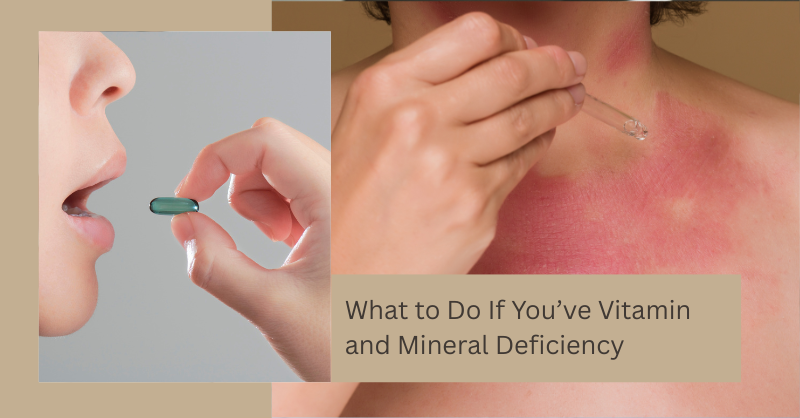
If you suspect that you’ve Vitamin and Mineral Deficiency, the first step is to consult with a healthcare professional. They can recommend tests to identify any deficiencies and suggest appropriate treatments, which may include dietary changes or supplements. Early intervention can prevent long-term health complications.
- Healthline: Vitamin Deficiency Symptoms
- WebMD: Vitamin and Mineral Deficiency Guide
- Mayo Clinic: Vitamin Deficiency Anemia
Don’t ignore the signs that your body is giving you. A vitamin and mineral deficiency can have serious consequences for your health. By recognizing the symptoms and taking action, you can improve your overall well-being and feel your best.


