
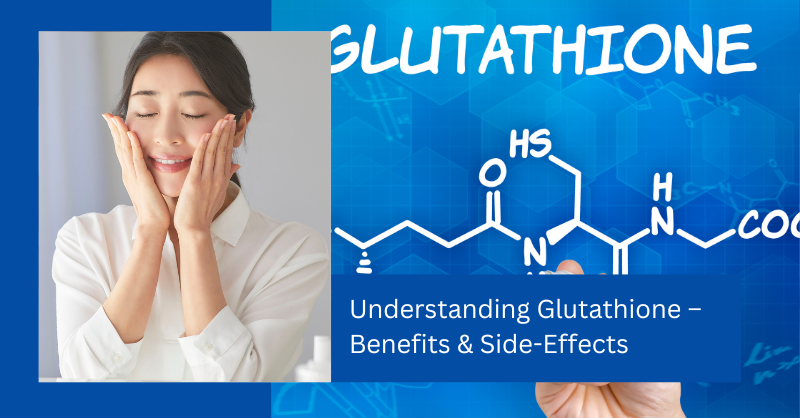
Exploring Glutathione – Benefits & Side-Effects is crucial for anyone seeking radiant skin and optimal health. As the “master antioxidant,” glutathione is lauded for skin brightening and combating oxidative stress. However, understanding potential side effects is equally important. This guide delves into the science, skin benefits, and broader health implications of glutathione, helping you make informed decisions about supplements, injections, or topical applications.”
What is Glutathione? The Science Behind the “Master Antioxidant”
Glutathione is a naturally occurring molecule composed of three amino acids: cysteine, glutamine, and glycine. It is found in every cell of the human body and plays a vital role in maintaining cellular health. As a powerful antioxidant, glutathione neutralizes free radicals, reduces oxidative stress, and supports the body’s detoxification processes. It also helps regenerate other antioxidants like vitamins C and E, making it a cornerstone of overall health.
Glutathione levels can decline due to factors such as aging, poor diet, stress, and environmental toxins. This decline is often linked to various health issues, including weakened immunity, chronic fatigue, and skin problems. To counteract this, many people turn to glutathione supplements, injections, or glutathione-rich foods to boost their levels.
Glutathione – Benefits and Side-Effects for Skin Brightening
One of the most sought-after benefits of glutathione is its ability to brighten and even out skin tone. This has made it a popular ingredient in skincare products and treatments. But how does it work, and what are the potential risks? Let’s dive deeper into the Glutathione – Benefits and Side-Effects for skin health.
Glutathione – Benefits and Side-Effects: How It Brightens Skin
Glutathione works by inhibiting the enzyme tyrosinase, which is responsible for the production of melanin—the pigment that gives skin its color. By reducing melanin production, glutathione can help lighten dark spots, hyperpigmentation, and uneven skin tone. Over time, this leads to a brighter, more radiant complexion. Additionally, its antioxidant properties help protect the skin from damage caused by UV rays and pollution, further enhancing skin health.
Many people use glutathione in the form of supplements, serums, or creams to achieve these effects. However, results can vary depending on factors like dosage, skin type, and consistency of use.
Glutathione – Benefits and Side-Effects: Potential Risks for Skin
While glutathione is generally considered safe, it’s not without potential side effects. Some individuals may experience skin irritation, redness, or allergic reactions when using glutathione topically. In rare cases, excessive use of glutathione supplements or injections can lead to uneven skin lightening, where certain areas of the skin become lighter than others. Additionally, the long-term effects of glutathione on skin health are still being studied, so it’s important to use it under the guidance of a healthcare professional.
Glutathione – Benefits and Side-Effects: Beyond Skin Health
While glutathione is widely known for its skin brightening properties, its benefits extend far beyond aesthetics. This powerful antioxidant plays a crucial role in supporting overall health, from boosting immunity to detoxifying the body. However, it’s equally important to be aware of the potential side effects associated with its use.
Glutathione – Benefits and Side-Effects: Immune System Support
Glutathione is essential for maintaining a healthy immune system. It protects immune cells from oxidative damage and enhances their ability to fight off infections. Studies have shown that individuals with higher glutathione levels tend to have stronger immune responses. However, excessive supplementation can sometimes lead to an overactive immune system, which may trigger autoimmune reactions or inflammation.
Glutathione – Benefits and Side-Effects: Detoxification and Liver Health
The liver is one of the primary organs where glutathione is concentrated. It plays a key role in detoxifying harmful substances, such as heavy metals, alcohol, and environmental toxins. By supporting liver function, glutathione helps maintain overall health and vitality. However, high doses of glutathione supplements can sometimes strain the liver, especially in individuals with pre-existing liver conditions. It’s crucial to consult a healthcare provider before starting any glutathione regimen.
Glutathione – Benefits and Side-Effects: Comparison Chart
| Benefit | Side-Effect |
|---|---|
| Skin Brightening | Skin Irritation |
| Immune Support | Overactive Immune Response |
| Detoxification | Nutrient Depletion |
| Liver Health | Liver Strain |
Glutathione – Benefits and Side-Effects: Horizontal Bar Diagram
How to Increase Glutathione Levels Naturally
If you’re looking to boost your glutathione levels without relying solely on supplements, there are several natural methods to consider:
- Eat Glutathione-Rich Foods: Incorporate foods like broccoli, spinach, avocados, asparagus, and walnuts into your diet. These foods are rich in glutathione precursors and can help increase your body’s natural production.
- Exercise Regularly: Physical activity has been shown to boost glutathione levels. Aim for at least 30 minutes of moderate exercise most days of the week.
- Get Enough Sleep: Quality sleep is essential for maintaining optimal glutathione levels. Aim for 7-9 hours of sleep per night.
- Reduce Stress: Chronic stress can deplete glutathione levels. Practice stress-reducing techniques like meditation, yoga, or deep breathing exercises.
Glutathione – Benefits and Side-Effects: Final Thoughts
Glutathione is a powerful antioxidant with a wide range of benefits, from skin brightening to immune support and detoxification. However, it’s important to approach its use with caution and awareness of potential side effects. Whether you choose to incorporate glutathione through diet, supplements, or topical products, always consult with a healthcare professional to ensure it’s the right choice for you. By understanding the Glutathione – Benefits and Side-Effects, you can make informed decisions that support your health and beauty goals.


