Protein is an essential macronutrient that plays a critical role in building muscle, repairing tissues, and producing enzymes and hormones. Whether you’re an athlete, a fitness enthusiast, or simply looking to maintain a healthy lifestyle, understanding the different protein sources available can help you make informed dietary choices. In this blog, we’ll explore the best protein sources, from animal-based to plant-based options, and how they can benefit your health.
What Are Protein Sources?
Protein sources are foods that provide a significant amount of protein. These can be categorized into two main types: animal-based and plant-based. Animal-based protein sources include meat, fish, eggs, and dairy products, while plant-based protein sources include legumes, nuts, seeds, and grains. Both types have their unique benefits and can be part of a balanced diet.
Animal-Based Protein Sources
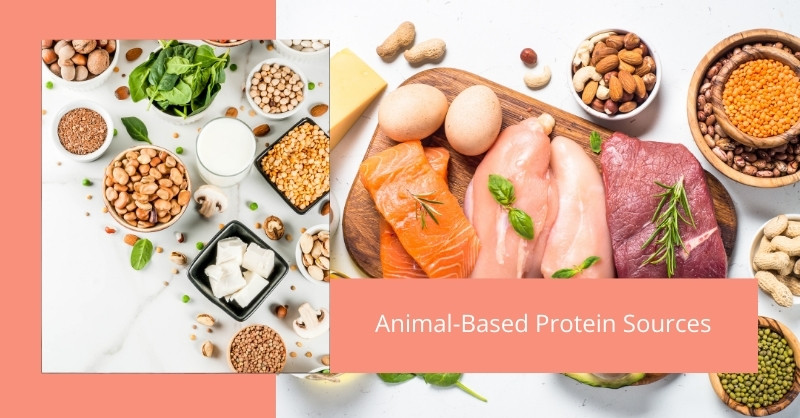
Animal-based protein sources are among the most popular and widely consumed due to their high bioavailability and complete amino acid profile. These sources are particularly beneficial for muscle growth, recovery, and overall health. Below is a deeper dive into some of the best animal-based protein sources:
- Meat:
- Chicken Breast: A staple in many diets, chicken breast is lean and packed with protein. A 100-gram serving provides approximately 31 grams of protein, making it an excellent choice for muscle building and weight management.
- Beef: Beef is rich in protein, iron, and vitamin B12. Opt for lean cuts like sirloin or tenderloin to reduce saturated fat intake.
- Pork: Pork tenderloin is another lean option, offering about 27 grams of protein per 100 grams. It’s also a good source of thiamine, which supports energy metabolism.
- Fish and Seafood:
- Salmon: Known for its omega-3 fatty acids, salmon provides about 25 grams of protein per 100 grams. It’s great for heart health and reducing inflammation.
- Tuna: Tuna is a low-calorie, high-protein option, with around 30 grams of protein per 100 grams. It’s also rich in selenium and vitamin D.
- Shrimp: Shrimp is low in calories but high in protein, offering 24 grams per 100 grams. It’s also a good source of iodine, which supports thyroid function.
- Eggs: Eggs are a versatile and affordable protein source. One large egg contains about 6 grams of protein, along with essential nutrients like choline, which supports brain health, and lutein, which promotes eye health.
- Dairy Products:
- Greek Yogurt: With around 10 grams of protein per 100 grams, Greek yogurt is a great snack or breakfast option. It’s also rich in probiotics, which support gut health.
- Cottage Cheese: Cottage cheese provides about 11 grams of protein per 100 grams and is a good source of calcium and phosphorus.
- Milk: A glass of milk (250 ml) contains approximately 8 grams of protein, along with calcium and vitamin D for bone health.
Plant-Based Protein Sources
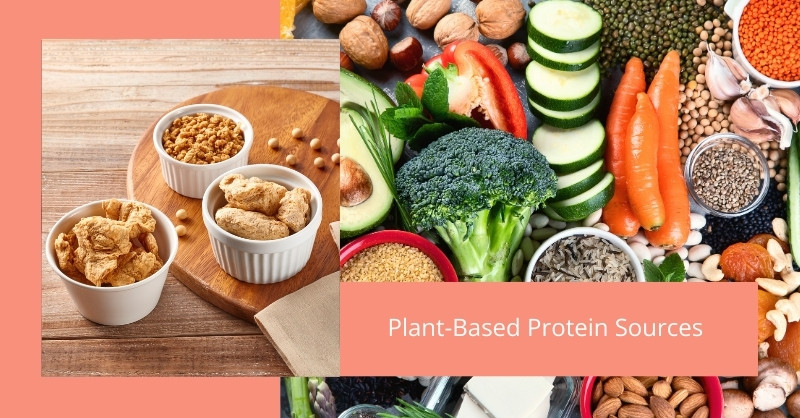
Plant-based protein sources are gaining popularity due to their sustainability, health benefits, and suitability for vegetarian and vegan diets. While most plant proteins are incomplete, combining different sources can provide all essential amino acids. Here’s a closer look at some of the best plant-based protein sources:
- Legumes:
- Lentils: A cup of cooked lentils provides about 18 grams of protein and is also high in fiber, iron, and folate. They’re perfect for soups, stews, and salads.
- Chickpeas: Chickpeas offer around 15 grams of protein per cup and are versatile in dishes like hummus, curries, and roasted snacks.
- Black Beans: With 15 grams of protein per cup, black beans are a great addition to Mexican-inspired dishes, salads, and burritos.
- Nuts and Seeds:
- Almonds: A quarter-cup of almonds provides about 7 grams of protein, along with healthy fats and vitamin E.
- Chia Seeds: Chia seeds are a powerhouse of nutrients, offering 5 grams of protein per 2 tablespoons, along with omega-3 fatty acids and fiber.
- Hemp Seeds: Hemp seeds contain about 10 grams of protein per 3 tablespoons and are a complete protein source.
- Grains:
- Quinoa: Quinoa is a complete protein, providing 8 grams of protein per cup. It’s also gluten-free and rich in magnesium and manganese.
- Oats: Oats offer about 6 grams of protein per cup and are a great source of soluble fiber, which supports heart health.
- Brown Rice: While lower in protein (5 grams per cup), brown rice pairs well with legumes to create a complete protein meal.
- Soy Products:
- Tofu: Tofu provides about 10 grams of protein per 100 grams and is a versatile ingredient in stir-fries, soups, and salads.
- Tempeh: Tempeh is a fermented soy product with 19 grams of protein per 100 grams. It’s also rich in probiotics and fiber.
- Edamame: Edamame, or young soybeans, offer 17 grams of protein per cup and make a delicious snack or side dish.
Comparison of Protein Sources
To help you better understand the differences between animal-based and plant-based protein sources, here’s an expanded comparison chart:
| Protein Source | Protein Content (per 100g) | Type | Key Nutrients | Best For |
|---|---|---|---|---|
| Chicken Breast | 31g | Animal-Based | B vitamins, selenium | Muscle building, weight loss |
| Salmon | 25g | Animal-Based | Omega-3 fatty acids, vitamin D | Heart health, inflammation reduction |
| Eggs | 13g | Animal-Based | Choline, vitamin B12 | Brain health, affordable protein |
| Lentils | 9g | Plant-Based | Fiber, iron, folate | Vegetarian diets, heart health |
| Almonds | 21g | Plant-Based | Vitamin E, magnesium | Snacking, healthy fats |
| Quinoa | 4g | Plant-Based | Complete protein, manganese | Gluten-free diets, energy |
Protein Sources Chart
Here’s a visual representation of the distribution of protein sources in a typical diet:
Benefits of Protein Sources
Incorporating a variety of protein sources into your diet offers numerous health benefits, including:
- Muscle Growth and Repair: Protein provides the building blocks (amino acids) necessary for muscle repair and growth, making it essential for athletes and active individuals.
- Weight Management: High-protein foods increase satiety, helping you feel fuller for longer and reducing overall calorie intake. This can aid in weight loss or maintenance.
- Bone Health: Protein supports bone density, especially when paired with calcium-rich foods like dairy. This is particularly important for preventing osteoporosis.
- Improved Immunity: Protein is crucial for producing antibodies and immune cells, which help protect the body against infections and illnesses.
- Energy and Metabolism: Protein plays a key role in metabolic processes, helping convert food into energy and supporting overall vitality.
How to Choose the Right Protein Sources
Selecting the right protein sources depends on your dietary preferences, health goals, and nutritional needs. Here’s a detailed guide to help you make the best choices:
- For Muscle Gain: Focus on high-quality, complete proteins like chicken, fish, eggs, and dairy. Plant-based options like tofu, tempeh, and quinoa are also excellent choices.
- For Weight Loss: Choose lean proteins such as chicken breast, turkey, and fish, or plant-based options like lentils and Greek yogurt. These foods are low in calories but high in protein, helping you stay full and satisfied.
- For Vegetarians/Vegans: Combine different plant-based proteins to ensure you’re getting all essential amino acids. For example, pair beans with rice or hummus with whole-grain pita.
- For Elders: Opt for easily digestible proteins like eggs, dairy, and fish to support muscle maintenance and overall health. Protein shakes or smoothies can also be convenient options.
- For Athletes: Prioritize fast-absorbing proteins like whey protein or eggs post-workout for muscle recovery. Include a mix of animal and plant-based proteins throughout the day.
 If you are interested, click here to participate in a short quiz related to this topic.
Conclusion
Understanding the different protein sources available can help you create a balanced and nutritious diet. Whether you prefer animal-based or plant-based options, there are plenty of high-quality protein sources to choose from. By incorporating a variety of these foods into your meals, you can meet your daily protein requirements and enjoy the numerous health benefits they offer.
Additional Resources
For more information on protein sources and their benefits, check out these resources: