A Comprehensive Guide to Dysmenorrhea (Causes of Menstrual Pain): From Primary Symptoms to Secondary Conditions and Effective Management Strategies
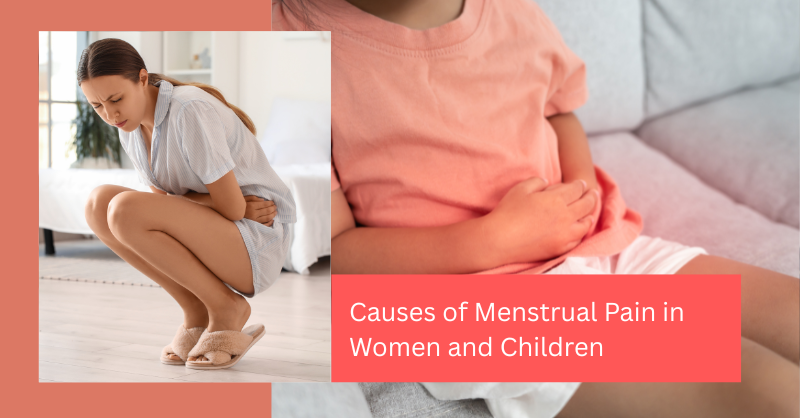
Menstrual pain, clinically known as dysmenorrhea, affects approximately 80% of women at some point in their lives, with severe symptoms impacting daily activities for 5-20% of sufferers. Understanding the causes of menstrual pain is crucial for effective management and treatment. This comprehensive guide explores the various causes of menstrual pain across different age groups, from adolescents experiencing their first periods to women dealing with chronic conditions.
The complex causes of menstrual pain involve hormonal fluctuations, uterine contractions, and various medical conditions. By examining the primary causes of menstrual pain, we can better understand treatment options and when to seek medical attention for dysmenorrhea in women and period pain in children.
Primary Dysmenorrhea: Common Causes of Menstrual Pain
Primary dysmenorrhea explanation begins with understanding that this is the most frequent type of menstrual pain, typically starting within 6-12 months after menarche and not associated with pelvic pathology. The primary causes of menstrual pain in this category are natural physiological processes.
Prostaglandins and Period Pain: Biochemical Causes
The fundamental causes of menstrual pain in primary dysmenorrhea center around prostaglandins. These hormone-like substances are produced in the uterine lining and trigger muscle contractions to help expel menstrual blood. High levels of prostaglandins, particularly PGF2α, cause intense uterine contractions that reduce blood flow and oxygen to uterine tissue, resulting in painful cramps. This explains why do periods hurt for so many women.
Key Insight: Women with severe menstrual pain produce 5-10 times more prostaglandins than those with mild or no pain. Understanding these biochemical causes of menstrual pain has led to effective treatments using NSAIDs that specifically target prostaglandin production.
Hormonal Causes of Painful Periods
Other significant causes of menstrual pain include hormonal fluctuations. The decline in progesterone levels before menstruation triggers prostaglandin release, while estrogen influences uterine tissue sensitivity. These hormonal causes of painful periods explain why symptoms often improve with hormonal birth control that stabilizes these fluctuations.
Secondary Dysmenorrhea: Underlying Medical Causes of Menstrual Pain
When exploring the causes of secondary dysmenorrhea, we encounter specific medical conditions that develop over time. Unlike primary dysmenorrhea, secondary dysmenorrhea often begins years after menarche and may worsen with age. Understanding these causes of menstrual pain is essential for proper diagnosis and treatment.
Endometriosis and Menstruation: A Major Cause
Endometriosis and menstruation are closely linked, with this condition affecting approximately 10% of reproductive-aged women. Endometriosis occurs when tissue similar to the uterine lining grows outside the uterus, causing inflammation, scarring, and severe menstrual cramps relief becomes a primary concern. The causes of menstrual pain in endometriosis involve bleeding of this ectopic tissue during periods, creating localized inflammation and pain.
Uterine Fibroids and Pain
Another significant contributor to the causes of menstrual pain are uterine fibroids. These noncancerous growths can distort the uterine cavity, increase menstrual flow, and cause pressure-related pain. The location, size, and number of fibroids influence the severity of painful periods symptoms experienced.
Adenomyosis Symptoms and Diagnosis
Adenomyosis symptoms include heavy bleeding and severe cramping as endometrial tissue grows into the uterine muscle wall. This condition causes the uterus to become enlarged and tender, significantly contributing to the causes of menstrual pain. Understanding adenomyosis symptoms helps distinguish this condition from other causes of secondary dysmenorrhea.
Pelvic Inflammatory Disease PID
Pelvic inflammatory disease PID represents infectious causes of menstrual pain. Typically caused by sexually transmitted bacteria, PID leads to scarring and adhesions in reproductive organs, creating chronic pelvic pain that worsens during menstruation. Early treatment is crucial to prevent long-term complications.
Prevalence of Different Causes of Menstrual Pain
The following chart illustrates the relative frequency of various conditions contributing to menstrual discomfort:
Menstrual Pain in Different Age Groups

Period Pain in Teenagers and Adolescents
Understanding period pain in teenagers requires recognizing that primary dysmenorrhea is most common in this group. The causes of menstrual pain in adolescents typically involve developing hormonal cycles and uterine sensitivity. Period pain in adolescents often improves as cycles become more regular and with proper management strategies.
Period Pain in Young Girls
For period pain in young girls just beginning menstruation, education about normal symptoms versus concerning signs is crucial. The causes of menstrual pain in this group are usually primary dysmenorrhea, but healthcare providers should monitor for unusual patterns that might indicate underlying issues.
Severe Period Pain in Adult Women
When adult women experience severe period pain, particularly if it’s a new development or worsening pattern, investigation into secondary causes of menstrual pain becomes essential. Conditions like endometriosis, fibroids, and adenomyosis are more commonly diagnosed in this age group.
Difference Between Primary and Secondary Dysmenorrhea
| Characteristic | Primary Dysmenorrhea | Secondary Dysmenorrhea |
|---|---|---|
| Onset | Shortly after menarche (first period) | Years after menarche, often in 20s-40s |
| Duration of Pain | Typically 1-3 days each cycle | May begin before and continue after period |
| Underlying Conditions | None identifiable | Endometriosis, fibroids, PID, adenomyosis |
| Response to NSAIDs | Usually excellent | Variable, often less effective |
| Pelvic Examination | Normal | May show abnormalities |
| Associated Symptoms | Nausea, headache, fatigue | Heavy bleeding, pain with intercourse, infertility |
Treatment and Management Strategies
Non-Steroidal Anti-Inflammatory Drugs for Cramps
Non-steroidal anti-inflammatory drugs for cramps represent first-line treatment for primary dysmenorrhea by targeting the fundamental causes of menstrual pain. These medications inhibit prostaglandin production, reducing uterine contractions and inflammation. Starting NSAIDs at the first sign of menstruation or pain provides the most effective severe menstrual cramps relief.
Hormonal Birth Control for Dysmenorrhea
Hormonal birth control for dysmenorrhea works by regulating or eliminating menstrual cycles, thereby addressing the hormonal causes of menstrual pain. These methods can significantly reduce menstrual flow and cramping for many women, making them valuable options for managing chronic period pain.
Natural Remedies for Cramps and Home Approaches
Many women seek natural remedies for cramps and home remedies for painful periods to complement medical treatments. These approaches include heat therapy, dietary modifications, exercise, and stress reduction techniques that can help manage the causes of menstrual pain without pharmaceuticals.
When to See a Doctor for Period Pain
Understanding when to see a doctor for period pain is crucial for identifying serious underlying conditions. Women should seek medical attention if they experience severe period pain that doesn’t respond to over-the-counter treatments, pain that begins before or continues after menstruation, or any sudden changes in their typical pattern. Knowing when to see gynecologist for pain can lead to earlier diagnosis and more effective treatment of underlying causes of menstrual pain.
Additional Resources and References
Conclusion
Understanding the diverse causes of menstrual pain is essential for effective management and appropriate treatment. From the common primary dysmenorrhea explanation involving prostaglandins and uterine contractions to the more complex causes of secondary dysmenorrhea like endometriosis and fibroids, recognizing these mechanisms helps women seek proper care.
The various causes of menstrual pain require different approaches, from non-steroidal anti-inflammatory drugs for cramps to hormonal birth control for dysmenorrhea and sometimes surgical interventions. By understanding what constitutes normal discomfort versus symptoms requiring medical attention, women can better navigate when to see a doctor for period pain.
Ultimately, comprehensive knowledge about the causes of menstrual pain empowers women to make informed decisions about their health, seek appropriate treatments, and improve their quality of life despite this common but often challenging condition.
Disclaimer: This article is for informational purposes only and does not constitute medical advice. Always consult with a healthcare professional for personalized medical guidance.