Sugar, often referred to as “Sugar a White Poison,” has become a staple in modern diets. However, its excessive consumption is linked to numerous health risks, including obesity, diabetes, heart disease, and even cancer. In this blog, we will explore the harmful effects of sugar on your body, why it’s called a “white poison,” and how you can reduce your intake for a healthier lifestyle.
Sugar a White Poison: What Makes It So Harmful?
Sugar, particularly refined sugar, is often called “Sugar a White Poison” because of its detrimental effects on health. Unlike natural sugars found in fruits, refined sugar is stripped of all nutrients, leaving behind empty calories. When consumed in excess, it can lead to a host of health problems, including:
- Weight Gain: Excessive sugar intake is a major contributor to obesity. It adds empty calories to your diet and disrupts your body’s ability to regulate hunger.
- Diabetes: High sugar consumption can lead to insulin resistance, a precursor to type 2 diabetes.
- Heart Disease: Sugar increases the risk of heart disease by raising blood pressure, inflammation, and triglyceride levels.
- Mental Health Issues: Studies have linked high sugar intake to depression and anxiety.
Sugar a White Poison: The Hidden Dangers
One of the most alarming aspects of “Sugar a White Poison” is its presence in processed foods. Even foods that don’t taste sweet, like bread and pasta sauce, often contain added sugars. This makes it easy to consume far more sugar than you realize. The long-term effects of this hidden sugar intake can be devastating, leading to chronic health conditions and a reduced quality of life.
For example, a single can of soda can contain up to 40 grams of sugar, which is more than the daily recommended limit for adults. Over time, this can lead to insulin resistance, weight gain, and an increased risk of type 2 diabetes. Additionally, hidden sugars in processed foods can contribute to inflammation, which is a key factor in many chronic diseases, including heart disease and cancer.
To avoid these hidden dangers, it’s essential to read food labels carefully. Look for terms like high fructose corn syrup, cane sugar, and other forms of added sugars. By being aware of these hidden sources, you can make more informed choices and reduce your overall sugar intake.
Sugar a White Poison: Comparing Natural and Added Sugars
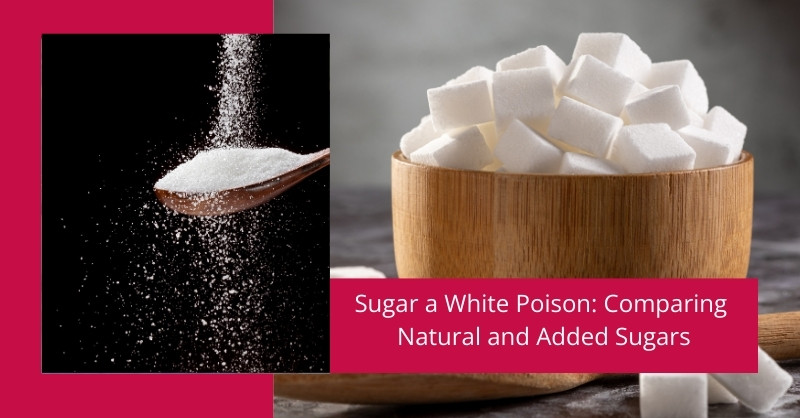
Not all sugars are created equal. Natural sugars, like those found in fruits, come with essential nutrients and fiber that slow down their absorption. On the other hand, added sugars, such as those in sodas and candies, provide no nutritional value and are quickly absorbed, causing spikes in blood sugar levels. Below is a comparison chart highlighting the differences:
| Type of Sugar | Source | Nutritional Value | Impact on Health |
|---|---|---|---|
| Natural Sugar | Fruits, Vegetables | High (Contains vitamins, minerals, and fiber) | Low risk when consumed in moderation |
| Added Sugar | Sodas, Candies, Processed Foods | None (Empty calories) | High risk (Linked to obesity, diabetes, and heart disease) |
Natural sugars, such as those found in fruits, are accompanied by fiber, which slows down the absorption of sugar into the bloodstream. This helps to prevent spikes in blood sugar levels and provides a steady source of energy. In contrast, added sugars are quickly absorbed, leading to rapid increases in blood sugar and insulin levels. Over time, this can contribute to insulin resistance, weight gain, and an increased risk of chronic diseases.
Sugar is White Poison: The Role of Sugar in Chronic Diseases
The term “Sugar a White Poison” is particularly relevant when discussing chronic diseases. Excessive sugar consumption is a major risk factor for conditions like metabolic syndrome, insulin resistance, and even certain types of cancer. By reducing your sugar intake, you can significantly lower your risk of developing these life-threatening conditions.
Metabolic syndrome is a cluster of conditions that increase the risk of heart disease, stroke, and type 2 diabetes. These conditions include high blood pressure, high blood sugar, excess body fat around the waist, and abnormal cholesterol levels. Excessive sugar consumption is a key contributor to metabolic syndrome, as it leads to weight gain, insulin resistance, and inflammation.
Insulin resistance occurs when the body’s cells become less responsive to insulin, leading to elevated blood sugar levels. Over time, this can progress to type 2 diabetes, a chronic condition that requires lifelong management. Additionally, high sugar intake has been linked to an increased risk of certain cancers, including breast, colon, and pancreatic cancer. The inflammatory effects of sugar are thought to play a role in the development of these cancers.
Sugar is White Poison: Visualizing Its Impact
To better understand the impact of “Sugar a White Poison,” let’s visualize its effects on different aspects of health. The vertical bar chart below illustrates the relative risks associated with high sugar consumption:
Sugar is White Poison: How to Reduce Your Intake
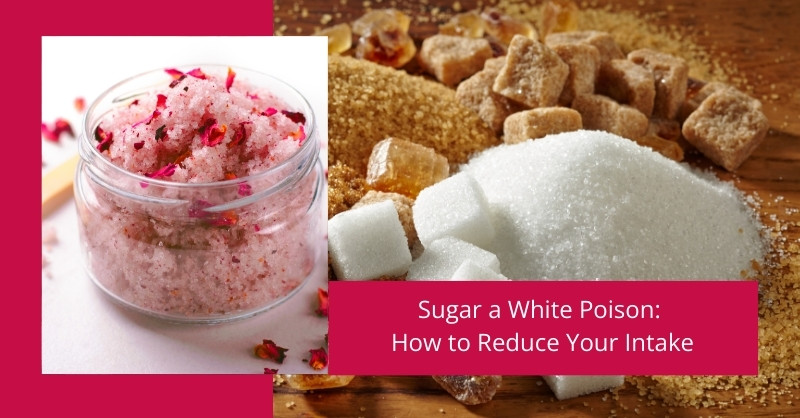
Reducing your intake of “Sugar a White Poison” is essential for maintaining good health. Here are some practical tips:
- Read Food Labels: Check for hidden sugars in processed foods. Look for terms like high fructose corn syrup, cane sugar, and other forms of added sugars.
- Choose Natural Sweeteners: Opt for alternatives like stevia, honey, or maple syrup. These sweeteners are less processed and contain fewer empty calories.
- Limit Sugary Drinks: Replace sodas with water, herbal teas, or infused water with fruits and herbs.
- Cook at Home: Preparing meals at home allows you to control the amount of sugar in your diet. Use fresh ingredients and avoid pre-packaged sauces and dressings that often contain added sugars.
- Snack Smart: Choose snacks that are low in sugar, such as nuts, seeds, and fresh fruits. Avoid sugary snacks like cookies, candies, and pastries.
Sugar is White Poison: The Impact of Sugar on Mental Health
While the physical health risks of sugar are well-documented, its impact on mental health is often overlooked. High sugar consumption has been linked to an increased risk of depression, anxiety, and other mental health disorders. The term “Sugar a White Poison” is particularly relevant in this context, as sugar can have a profound effect on brain function and mood.
When you consume sugar, it causes a rapid spike in blood sugar levels, followed by a crash. This rollercoaster effect can lead to mood swings, irritability, and fatigue. Over time, excessive sugar consumption can disrupt the balance of neurotransmitters in the brain, leading to symptoms of depression and anxiety.
Additionally, sugar has been shown to increase inflammation in the body, which can also affect brain health. Chronic inflammation is linked to a higher risk of mental health disorders, including depression and anxiety. By reducing your sugar intake, you can help to stabilize your mood and improve your overall mental well-being.
Sugar is White Poison: The Connection Between Sugar and Aging
Sugar doesn’t just affect your internal health; it can also have a visible impact on your skin. The term “Sugar a White Poison” is particularly relevant when discussing the effects of sugar on aging. Excessive sugar consumption can lead to a process called glycation, where sugar molecules attach to proteins in the skin, leading to the formation of advanced glycation end products (AGEs).
AGEs damage collagen and elastin, the proteins that keep your skin firm and elastic. This can lead to wrinkles, sagging skin, and a loss of radiance. Additionally, sugar can increase inflammation in the body, which can exacerbate skin conditions like acne and rosacea.
To protect your skin from the effects of sugar, it’s important to reduce your intake and focus on a diet rich in antioxidants, which can help to combat the damage caused by AGEs. Foods like berries, leafy greens, and nuts are excellent sources of antioxidants and can help to keep your skin looking youthful and healthy.
 If you are interested, click here to participate in a short quiz related to this topic.
Sugar is White Poison: Conclusion
The term “Sugar a White Poison” is not an exaggeration. The harmful effects of sugar on your body are well-documented, and reducing your intake can lead to significant health improvements. By understanding the risks and making informed choices, you can protect yourself from the dangers of this sweet but deadly substance.
For more information on the dangers of sugar, check out these resources: