Common Eye Problems: Causes, Symptoms, and Treatments
Common eye problems are a widespread concern that can affect people of all ages. From minor irritations to serious conditions, these issues can impact vision and overall eye health. Understanding the causes, recognizing the symptoms, and exploring effective treatments can help you protect your sight and maintain healthy eyes. In this article, we’ll discuss some of the most frequent eye issues, their underlying causes, and how to address them.
What Are Common Eye Problems?
Common eye problems refer to a variety of conditions that affect the eyes and vision. These can range from temporary issues like dry eyes to more severe problems such as glaucoma or cataracts. Many of these conditions are preventable or manageable with proper care and early intervention. For instance, regular eye exams can help detect problems before they worsen.
Some of the most frequently encountered eye issues include refractive errors (like nearsightedness and farsightedness), age-related macular degeneration, and conjunctivitis. While some conditions are genetic, others may result from environmental factors, lifestyle choices, or underlying health issues. Additionally, certain eye problems, such as diabetic retinopathy, are linked to systemic diseases like diabetes.
Symptoms of Common Eye Problems
The symptoms of eye conditions vary depending on the specific problem. However, some signs are commonly associated with many eye disorders:
- Blurred Vision: Difficulty seeing objects clearly, either up close or far away.
- Eye Pain or Discomfort: Persistent pain, itching, or a feeling of something in the eye.
- Redness or Swelling: Inflammation or irritation of the eye.
- Sensitivity to Light: Discomfort when exposed to bright light.
Other symptoms may include double vision, floaters, or sudden vision loss. For example, floaters are tiny specks that drift across your field of vision and are often harmless but can sometimes indicate a retinal tear. If you experience any of these signs, it’s important to consult an eye care professional promptly.
Causes of Common Eye Problems
Understanding the causes of eye issues can help in prevention and treatment. Here are some common factors:
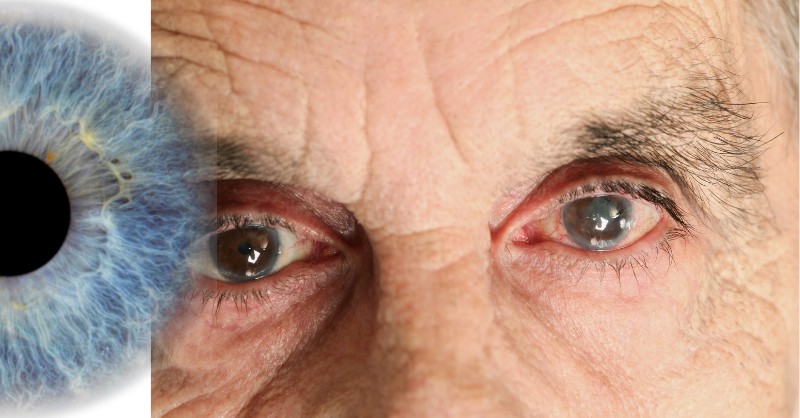
- Aging: Many eye conditions, such as cataracts and presbyopia, are age-related. As we age, the lens of the eye becomes less flexible, leading to vision changes.
- Genetics: A family history of eye diseases like glaucoma increases the risk. Genetic factors can also play a role in conditions like macular degeneration.
- Environmental Factors: Prolonged exposure to screens, UV rays, or pollutants can harm eye health. For instance, blue light from digital devices can cause eye strain.
- Underlying Health Conditions: Diabetes and hypertension can lead to vision problems. Diabetic retinopathy, for example, is a complication of diabetes that affects the blood vessels in the retina.
- Lifestyle Choices: Smoking, poor diet, and lack of eye protection contribute to eye issues. Smoking, in particular, increases the risk of cataracts and macular degeneration.
Additionally, infections or injuries can also cause temporary or permanent damage to the eyes. For example, conjunctivitis, commonly known as pink eye, is often caused by bacterial or viral infections.
Diagnosing Common Eye Problems
If you suspect an eye condition, an eye care professional may perform the following tests:
- Visual Acuity Test: Measures how well you can see at various distances using an eye chart.
- Slit-Lamp Examination: Provides a detailed view of the eye’s structures, including the cornea, iris, and lens.
- Tonometry: Checks for glaucoma by measuring eye pressure. High intraocular pressure can damage the optic nerve.
- Retinal Exam: Evaluates the health of the retina and optic nerve. This may involve dilating the pupils for a better view.
Early diagnosis is crucial for effective treatment and preventing complications. For example, untreated glaucoma can lead to permanent vision loss. Similarly, early detection of macular degeneration can help slow its progression.
Treatment Options for Common Eye Problems
Treatment depends on the specific eye condition. Here are some common approaches:
1. Refractive Errors
- Eyeglasses or Contact Lenses: Correct vision by adjusting how light enters the eye. These are the most common solutions for nearsightedness, farsightedness, and astigmatism.
- Laser Surgery: Procedures like LASIK reshape the cornea to improve vision. This is a popular option for those seeking a long-term solution.
2. Cataracts
- Surgery: Involves removing the cloudy lens and replacing it with an artificial one. Cataract surgery is one of the most commonly performed procedures worldwide.
3. Glaucoma
- Medications: Eye drops or oral drugs to reduce eye pressure. These help prevent further damage to the optic nerve.
- Surgery: Improves fluid drainage from the eye. This is often recommended when medications are not effective.
4. Dry Eye Syndrome
- Artificial Tears: Lubricate the eyes to relieve dryness. These are available over the counter and can provide immediate relief.
- Lifestyle Changes: Reduce screen time and use a humidifier. Taking breaks during prolonged screen use can also help.
In addition to these treatments, maintaining a healthy lifestyle and protecting your eyes from harmful factors can significantly improve eye health. For instance, wearing sunglasses with UV protection can prevent damage from the sun’s rays.
Preventing Common Eye Problems
While not all eye conditions are preventable, adopting healthy habits can reduce the risk:
- Wear Sunglasses: Protect your eyes from UV rays. Look for sunglasses that block 100% of UVA and UVB rays.
- Follow the 20-20-20 Rule: Take a 20-second break every 20 minutes to look at something 20 feet away. This helps reduce eye strain from prolonged screen use.
- Eat a Balanced Diet: Include foods rich in vitamins A, C, and E, as well as omega-3 fatty acids. Leafy greens, fish, and citrus fruits are excellent choices.
- Quit Smoking: Smoking increases the risk of cataracts and macular degeneration. Seek support if you need help quitting.
Regular eye exams are also essential for early detection and treatment of potential issues. Adults should have their eyes checked at least once every two years, or more frequently if they have existing eye conditions.
When to See an Eye Doctor
If you experience persistent symptoms like blurred vision, eye pain, or redness, it’s important to seek professional help. Early intervention can prevent complications and preserve your vision. For example, sudden vision loss may indicate a serious condition like retinal detachment, which requires immediate attention.
Additionally, if you notice changes in your vision, such as difficulty reading or seeing at night, schedule an appointment with an eye care professional. These could be early signs of conditions like cataracts or glaucoma.
Living with Common Eye Problems
Managing eye conditions often requires ongoing care and lifestyle adjustments. Here are some tips for living well with eye issues:
- Follow Your Treatment Plan: Use prescribed medications or devices as directed. Consistency is key to managing chronic conditions like glaucoma.
- Stay Informed: Learn about your condition and stay updated on new treatments. Joining support groups can also provide valuable insights.
- Protect Your Eyes: Wear protective eyewear during activities that could harm your eyes, such as sports or home repairs.
Moreover, maintaining a positive attitude and seeking support from loved ones can make a significant difference in managing eye health challenges.
Conclusion
Common eye problems can significantly impact your quality of life, but many are preventable or manageable with proper care. By understanding the causes, recognizing the symptoms, and exploring effective treatments, you can take steps to protect your vision and maintain healthy eyes. Regular eye exams, a healthy lifestyle, and prompt medical attention are key to preserving your sight.
If you suspect an eye issue, don’t hesitate to consult an eye care professional. With the right care, you can enjoy clear vision and better eye health for years to come.