Intermittent fasting for women has become a popular approach to improving health, managing weight, and boosting overall well-being. This dietary pattern alternates periods of eating and fasting, focusing on when you eat rather than what you eat. Women, however, have unique physiological considerations that make it essential to approach intermittent fasting thoughtfully.
Intermittent fasting for women has gained widespread attention not only for its effectiveness in weight management but also for its potential to enhance overall health and wellness. This structured eating pattern alternates between periods of fasting and eating, allowing the body time to repair, regenerate, and optimize its metabolic processes. For women, intermittent fasting offers specific benefits such as improved hormonal balance, enhanced cognitive function, and better digestive health. However, it is important to note that women have unique biological and physiological considerations, including hormonal fluctuations and energy demands, which necessitate a personalized and thoughtful approach to fasting. Understanding the benefits, challenges, and strategies for intermittent fasting is essential for women aiming to incorporate this practice into their lives safely and effectively. By focusing on nutrient-rich foods, aligning fasting patterns with natural rhythms, and listening to their bodies, women can harness the transformative potential of intermittent fasting to achieve their health goals while avoiding adverse effects.
What is for Women’s Intermittent Fasting
Intermittent fasting (IF) involves scheduled eating patterns that include fasting intervals. Popular methods include:
| Method | Description |
|---|---|
| 16/8 Intermittent Fasting | 16 hours of fasting followed by an 8-hour eating window. |
| 5:2 Intermittent Fasting | Eat normally for 5 days and restrict calorie intake to 500-600 for 2 non-consecutive days. |
| Alternate Day Fasting | Fasting every other day with minimal calorie intake. |
These methods can be customized to suit individual needs, but women should consider hormonal balance, reproductive health, and energy levels before starting.
Benefits of Periodic Fasting

When practiced correctly, intermittent fasting can offer numerous benefits for women, including:
- Weight Loss: Reducing calorie intake during fasting periods can promote fat loss.
- Improved Metabolic Health: Fasting can enhance insulin sensitivity, reducing the risk of type 2 diabetes.
- Hormonal Regulation: Supports balance in hormones like insulin and human growth hormone (HGH).
- Brain Health: Fasting promotes autophagy, which helps in cellular repair and may reduce the risk of neurodegenerative diseases.
- Reduced Inflammation: Studies suggest that fasting can lower markers of inflammation.
Additionally, intermittent fasting can aid in improving digestive health and increasing energy levels. Many women report feeling more focused and productive during fasting hours, attributing this to stabilized blood sugar levels and reduced post-meal fatigue. The mental clarity experienced during fasting can also be beneficial for handling daily tasks effectively.
- Weight Loss
- Metabolic Health
- Hormonal Balance
- Brain Health
- Reduced Inflammation
Considerations for Women’s Intermittent Fasting
Despite its benefits, intermittent fasting may not be suitable for everyone. Women should consider the following factors:
- Hormonal Fluctuations: Extended fasting periods may disrupt menstrual cycles and reproductive health.
- Energy Needs: Active women or those with high caloric requirements should ensure they consume enough nutrients during eating windows.
- Medical Conditions: Women with diabetes, eating disorders, or pregnancy should consult a healthcare professional before starting IF.
- Side Effects: Potential side effects include fatigue, mood swings, and digestive issues during the adjustment period.
Furthermore, the timing of fasting can significantly impact its effectiveness. Women may benefit more from fasting patterns that align with their natural circadian rhythms, such as starting the eating window earlier in the day. Combining intermittent fasting with regular physical activity can amplify its benefits but should be approached with caution to prevent overexertion or energy imbalances.
Tips for Women’s Health and Intermittent Fasting
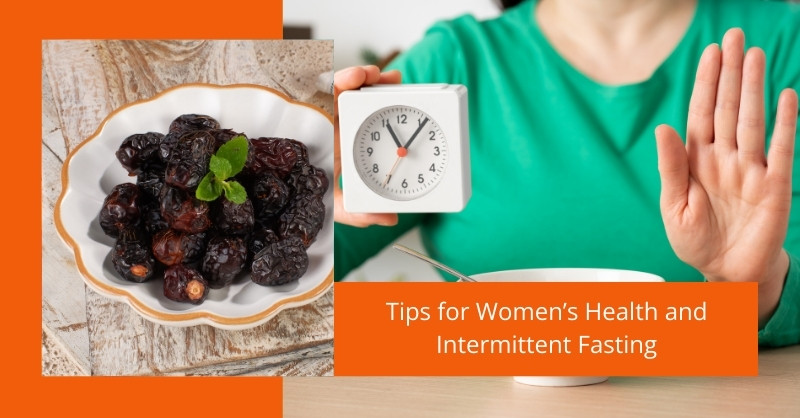
To ensure a successful intermittent fasting journey, consider these tips:
- Start Gradually: Begin with shorter fasting periods and gradually increase the duration as your body adjusts.
- Stay Hydrated: Drink plenty of water to prevent dehydration during fasting hours.
- Focus on Nutrient-Dense Foods: Incorporate whole grains, lean proteins, healthy fats, and vegetables during eating windows.
- Listen to Your Body: Pay attention to hunger cues and stop fasting if you experience negative symptoms.
- Plan Around Your Lifestyle: Choose a fasting method that fits seamlessly into your daily routine.
- Combine with Balanced Exercise: Pair fasting with moderate exercise, to maximize health benefits without overburdening your body.
- Use Supplements if Needed: Ensure adequate intake of vitamins and minerals to prevent deficiencies, especially during prolonged fasting periods.
Tracking your progress can also help in identifying what works best for you. Keep a journal to record your energy levels, weight changes, and any side effects. This can guide you in tailoring the fasting regimen to meet your personal goals.
Is Intermittent Fasting Safe for All Women?
While intermittent fasting is a flexible and effective dietary strategy, its safety and suitability can vary significantly among women. Pregnant and breastfeeding women, for instance, have increased nutritional demands to support the growth and health of their baby, making fasting potentially harmful during these critical periods. Similarly, women with a history of eating disorders may find that restrictive eating patterns trigger unhealthy behaviors, highlighting the need for caution. Chronic health conditions, such as diabetes or thyroid disorders, can also complicate fasting practices, especially when medications or blood sugar levels require consistent meal timing. Additionally, younger women experiencing puberty or menstruation may face disruptions to their hormonal balance, impacting overall well-being. Consulting with a healthcare provider before starting intermittent fasting ensures that the approach aligns with individual health needs, mitigating risks and maximizing benefits.
While intermittent fasting is generally safe for healthy women, it may not be suitable for:
- Pregnant or breastfeeding women.
- Women with a history of eating disorders.
- Those with chronic health conditions or taking medications that require regular meals.
It is vital to recognize the signs of overdoing intermittent fasting. Symptoms such as irregular menstrual cycles, persistent fatigue, or significant weight loss should prompt a reevaluation of the approach. Women should prioritize balance and avoid extreme fasting practices that may jeopardize their overall health.
 To assess your understanding of this topic, please click here to take a short quiz.
Conclusion
Women’s Intermittent Fasting can offer a range of health benefits when approached mindfully. Understanding the different methods, listening to your body, and seeking professional advice are key to ensuring a safe and effective experience. Whether your goal is weight loss, improved health, or enhanced mental clarity, intermittent fasting can be a powerful tool for transformation. By tailoring the approach to your unique needs and lifestyle, you can unlock its full potential and achieve sustainable results.