

Glycerine, also known as glycerol, is a powerhouse ingredient in the world of skincare. Its humectant properties make it a go-to solution for addressing dryness, acne, and even signs of aging. In this blog, we’ll explore how glycerine for skin care can transform your skincare routine and help you achieve a healthier, more radiant complexion.
Why Glycerine for Skin Care is a Game-Changer
Glycerine is a natural humectant, meaning it attracts moisture from the environment and locks it into your skin. This makes it an excellent choice for combating dryness, especially during harsh weather conditions. Whether you have dry, oily, or sensitive skin, glycerine for skin care can work wonders. Its versatility and effectiveness have made it a staple in many skincare products, from moisturizers to serums.
Glycerine for Skin Care: Combating Dryness
Dry skin can be uncomfortable and even painful. Glycerine helps by drawing moisture into the skin and creating a protective barrier to prevent water loss. This makes it a must-have ingredient for those struggling with dry skin, especially during winter months. For best results, look for products labeled “glycerin for dry skin” or create your own DIY glycerin face mask. A simple recipe involves mixing glycerin with aloe vera gel and rose water for a soothing and hydrating treatment.
Additionally, glycerine is often recommended for individuals with conditions like eczema and psoriasis. Its gentle nature helps soothe irritated skin while providing much-needed hydration. If you’re dealing with severe dryness, consider using glycerin for dry skin in winter to keep your skin soft and supple.
Glycerine for Skin Care: Tackling Acne
Contrary to popular belief, glycerine is also beneficial for oily and acne-prone skin. Its lightweight texture ensures it doesn’t clog pores, while its moisturizing properties help balance oil production. If you’re dealing with acne, consider using glycerin for oily skin and acne to keep your skin hydrated without exacerbating breakouts.
Glycerine’s anti-inflammatory properties can also help reduce redness and irritation associated with acne. For a targeted treatment, mix glycerin with tea tree oil, which is known for its antibacterial properties. This combination can help clear up acne while keeping your skin hydrated.
Glycerine for Skin Care: Anti-Aging Benefits
As we age, our skin loses its ability to retain moisture, leading to wrinkles and fine lines. Glycerine helps plump the skin, reducing the appearance of these signs of aging. For anti-aging benefits, look for the best glycerin serum for face or try using glycerin under eyes to target delicate areas.
Regular use of glycerine can also improve skin elasticity, making it look firmer and more youthful. To enhance its anti-aging effects, combine glycerin with antioxidants like vitamin C or E. These ingredients work synergistically to protect your skin from environmental damage and promote collagen production.
How to Use Glycerine for Skin Care
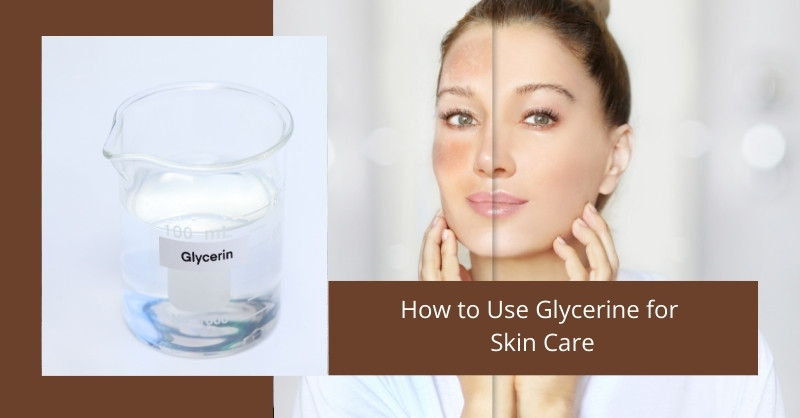
Incorporating glycerine into your skincare routine is easy. Here are some tips:
- DIY Face Mask: Mix glycerin with rose water for a hydrating face mask. This combination is perfect for skin lightening and soothing irritation. Add a few drops of lemon juice for added brightening effects.
- Moisturizer: Apply a few drops of glycerin to damp skin to lock in moisture. You can also mix it with your favorite moisturizer for an extra hydration boost.
- Spot Treatment: Use glycerin for eczema and psoriasis to soothe inflamed areas. Apply a small amount directly to the affected area and gently massage it in.
- Under-Eye Treatment: Dab a small amount of glycerin under your eyes to reduce puffiness and dark circles. Its hydrating properties help plump the skin, making fine lines less noticeable.
Glycerine for Skin Care: Safety and Side Effects
While glycerine is generally safe for most skin types, it’s essential to patch-test before using it extensively. Some people may experience mild side effects of glycerin on face, such as redness or irritation. If you have sensitive skin, opt for products specifically designed for how to use glycerin for sensitive skin.
It’s also important to note that glycerine should be used in moderation. Overuse can lead to a sticky feeling on the skin, especially in humid climates. Always dilute glycerin with water or other skincare ingredients to avoid this issue.
Glycerine vs. Hyaluronic Acid: Which is Better for Hydration?
Both glycerine and hyaluronic acid are excellent humectants, but they work differently. Glycerine draws moisture from the environment, while hyaluronic acid holds up to 1000 times its weight in water. For a detailed comparison, check out the table below:
| Feature | Glycerine | Hyaluronic Acid |
|---|---|---|
| Source | Plant-based or synthetic | Naturally occurring in the body |
| Molecular Size | Small | Large |
| Hydration Depth | Surface-level | Deep skin layers |
| Best For | Dry skin, acne-prone skin | Mature skin, deep hydration |
Pie Chart: Skin Benefits of Glycerine
DIY Glycerine Skincare Recipes
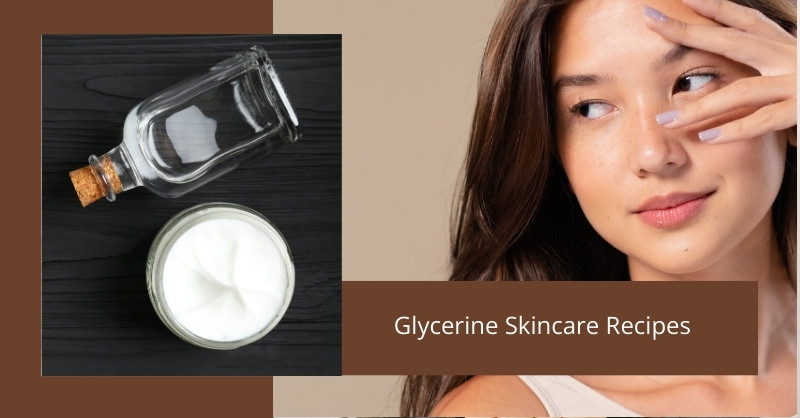
If you’re a fan of DIY skincare, glycerine is a fantastic ingredient to incorporate into your homemade products. Here are a few simple recipes to try:
- Glycerin and Rose Water Toner: Mix equal parts glycerin and rose water in a spray bottle. Use it as a refreshing toner to hydrate and soothe your skin.
- Glycerin and Honey Face Mask: Combine 1 tablespoon of glycerin with 1 tablespoon of honey. Apply the mixture to your face and leave it on for 15-20 minutes before rinsing off. This mask is perfect for dry and sensitive skin.
- Glycerin and Aloe Vera Gel: Mix 1 teaspoon of glycerin with 2 tablespoons of aloe vera gel. Use it as a lightweight moisturizer for oily and acne-prone skin.
Long-Term Use of Glycerine for Skin Care
Many people wonder if glycerine is safe for long-term use. The answer is yes! Glycerine is non-toxic and gentle, making it suitable for daily use. However, it’s essential to choose high-quality, pure glycerin to avoid any potential irritants. Look for vegetable-based glycerin, which is derived from plant oils and is free from harmful chemicals.
If you’re using glycerine for skin lightening or anti-aging, consistency is key. Regular use over several weeks can yield visible results, including brighter, smoother, and more youthful-looking skin.
 If you are interested, click here to participate in a short quiz related to this topic.
Conclusion
Glycerine for skin care is a versatile and effective ingredient that addresses a wide range of skin concerns. Whether you’re dealing with dryness, acne, or signs of aging, glycerine can help you achieve healthier, more radiant skin. Remember to choose products that suit your skin type and always patch-test new formulations. With its hydrating, soothing, and anti-aging properties, glycerine is truly a skincare superhero.


