We all have habits—some good, some bad. While good habits can propel us toward success, bad habits can hold us back and negatively impact our lives. The good news is that Breaking Bad Habits is entirely possible with the right mindset, strategies, and tools. In this blog post, we’ll explore how you can take control of your life by overcoming bad habits permanently.
Why Breaking Bad Habits is Essential
Bad habits, whether it’s smoking, procrastinating, or overeating, can have a profound impact on your physical and mental health. They can drain your energy, reduce productivity, and even harm your relationships. Breaking Bad Habits is not just about stopping a behavior; it’s about reclaiming your life and creating a healthier, happier future.
The Science Behind Breaking Bad Habits
Understanding the psychology and neuroscience of habits can make the process of Breaking Bad Habits easier. Habits are formed through a loop of cue, routine, and reward. To break a bad habit, you need to identify the cue, replace the routine with a positive behavior, and still achieve the reward. For example, if stress triggers your habit of smoking, you can replace smoking with deep breathing exercises to achieve the same calming effect.
Effective Strategies for Breaking Bad Habits
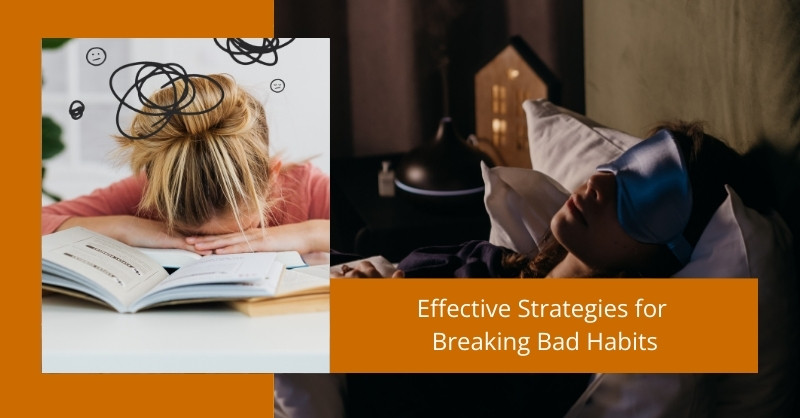
Here are some proven strategies to help you in Breaking Bad Habits:
- Set Clear Goals: Define what you want to achieve and why it’s important to you.
- Replace, Don’t Erase: Replace the bad habit with a healthier alternative.
- Track Your Progress: Use a journal or app to monitor your progress and stay motivated.
- Seek Support: Share your goals with friends or join a support group for accountability.
- Practice Mindfulness: Mindfulness can help you become more aware of your triggers and responses.
Comparison Chart: Breaking Bad Habits vs. Maintaining Bad Habits
| Aspect | Breaking Bad Habits | Maintaining Bad Habits |
|---|---|---|
| Health Impact | Improved physical and mental health | Negative impact on health |
| Productivity | Increased focus and efficiency | Reduced productivity |
| Relationships | Stronger, healthier relationships | Strained relationships |
| Self-Esteem | Boosted confidence and self-worth | Lower self-esteem |
How Long Does It Take to Break a Bad Habit?
You may have heard that it takes 21 days to break a habit, but research suggests it can take anywhere from 18 to 254 days, depending on the habit and the individual. The key is consistency and persistence. Whether it’s Breaking Bad Habits in 21 days or 30 days, the journey is unique for everyone.
| Procrastination (20%) | |
| Unhealthy Eating (20%) | |
| Phone Addiction (20%) | |
| Smoking (20%) | |
| Sedentary Lifestyle (20%) |
Tips for Breaking Bad Habits Permanently
Here are some additional tips to help you in Breaking Bad Habits for good:
- Start Small: Focus on one habit at a time to avoid feeling overwhelmed.
- Celebrate Small Wins: Reward yourself for milestones to stay motivated.
- Use Technology: Apps like Habitica can gamify the process of breaking bad habits.
- Stay Patient: Change takes time, so be kind to yourself during the process.
Inspiring Stories of Breaking Bad Habits
Sometimes, hearing about others’ success stories can motivate us to take action. Here are a few real-life examples of people who successfully broke their bad habits:
- Quitting Smoking: John, a 35-year-old teacher, quit smoking after 10 years by using nicotine patches and joining a support group. He replaced his smoking breaks with short walks and noticed significant improvements in his energy levels and lung health.
- Overcoming Procrastination: Sarah, a college student, struggled with procrastination for years. She started using the Pomodoro Technique and broke her tasks into smaller, manageable chunks. Within a few months, she was able to complete her assignments on time and even had more free time for hobbies.
- Stopping Phone Addiction: Mark, a software engineer, realized he was spending over 4 hours a day on his phone. He installed a screen time tracker and set daily limits for social media apps. By replacing his phone usage with reading and exercise, he reduced his screen time by 50% in just 30 days.
Top Tools to Help You in Breaking Bad Habits
Technology can be a powerful ally in your journey to break bad habits. Here are some tools and apps that can help:
- Habitica: A gamified habit-tracking app that turns your goals into a role-playing game.
- Strides: A flexible habit and goal tracker that helps you stay on top of your progress.
- Headspace: A mindfulness app that can help you manage stress and reduce triggers for bad habits.
- RescueTime: A time management tool that tracks your digital habits and helps you stay focused.
How Your Environment Affects Breaking Bad Habits
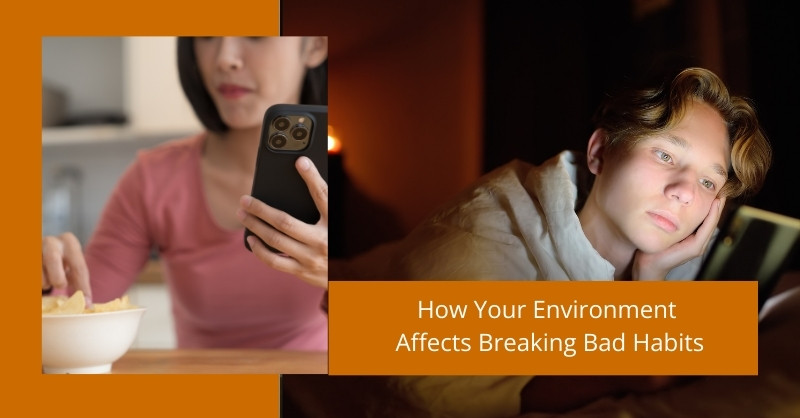
Your surroundings play a significant role in shaping your habits. Here’s how you can optimize your environment to support your goals:
- Remove Triggers: If you’re trying to quit smoking, avoid places where people smoke. If you’re cutting down on junk food, don’t keep it in your house.
- Create Positive Cues: Place reminders of your goals in visible areas. For example, keep a water bottle on your desk to encourage hydration or place your running shoes by the door to remind you to exercise.
- Surround Yourself with Support: Spend time with people who encourage your positive habits and avoid those who enable your bad ones.
FAQs About Breaking Bad Habits
Here are answers to some common questions about breaking bad habits:
- Q: How do I stay motivated while breaking bad habits?
A: Set small, achievable goals and celebrate your progress. Remind yourself of the benefits of breaking the habit and seek support from friends or online communities. - Q: What if I relapse while trying to break a bad habit?
A: Relapse is a normal part of the process. Don’t be too hard on yourself—analyze what triggered the relapse and adjust your strategy accordingly. - Q: Can I break multiple bad habits at once?
A: It’s generally better to focus on one habit at a time to avoid feeling overwhelmed. Once you’ve successfully broken one habit, you can move on to the next.
When to Seek Professional Help for Breaking Bad Habits
While many bad habits can be overcome with self-discipline and the right strategies, some habits may require professional intervention. Here’s when you should consider seeking help:
- Addiction: If your habit involves substances like alcohol, drugs, or nicotine, or behaviors like gambling, professional rehab programs can provide the necessary support.
- Mental Health Issues: Habits like hair-pulling (trichotillomania) or skin-picking may be linked to underlying mental health conditions. A therapist can help address the root cause.
- Chronic Procrastination: If procrastination is severely impacting your life, a coach or counselor can help you develop better time management skills.
For more information, check out Psychology Today to find a therapist near you.
Outbound Resources for Breaking Bad Habits
For further reading and tools to help you in Breaking Bad Habits, check out these resources:
 If you are interested, click here to participate in a short quiz related to this topic.
Conclusion
Breaking Bad Habits is a journey that requires commitment, patience, and the right strategies. By understanding the science behind habits, setting clear goals, and seeking support, you can take control of your life and create lasting change. Remember, every small step counts, and the effort you put in today will lead to a healthier, happier tomorrow.