The 10 benefits of omega-3 fatty acids are well-documented, ranging from improving brain function to supporting heart health. These essential fats are crucial for overall well-being, and understanding their role can help you make informed dietary and lifestyle choices.
Understanding the Benefits of Omega-3 Fatty Acids
Omega-3 fatty acids benefits extend across various aspects of health. They play an integral role in reducing inflammation, enhancing mental health, and promoting skin and eye health. Below, we explore these benefits in detail.
1. Omega-3 Benefits for Brain Health
Omega-3 benefits for brain are profound. These fats support cognitive function, improve memory, and reduce the risk of neurodegenerative diseases like Alzheimer’s. DHA, a type of omega-3, is a key component of brain cell membranes. Studies have shown that regular omega-3 intake can enhance focus and reduce mental fatigue. This is particularly important for students and professionals who rely on sharp cognitive abilities daily.
Moreover, omega-3 fatty acids are crucial for brain development in children and infants. Pregnant women are often advised to consume adequate omega-3 to ensure proper brain growth in their babies. For aging individuals, omega-3 helps slow cognitive decline, supporting memory retention and learning capabilities.
2. Omega-3 Benefits for Heart Health
Omega-3 benefits for heart include lowering blood pressure, reducing triglycerides, and preventing plaque buildup in arteries. These effects significantly lower the risk of heart disease. Omega-3 fatty acids promote better circulation, reducing the chances of clot formation, which can lead to heart attacks or strokes.
According to the American Heart Association, individuals who consume omega-3 regularly have a lower risk of developing arrhythmias and heart failure. Including omega-3-rich foods like salmon, mackerel, and walnuts in your diet can have profound effects on your cardiovascular health.
3. Omega-3 Benefits for Skin Health
The omega-3 benefits for skin include reducing acne, combating dryness, and protecting against sun damage. EPA, an omega-3 fatty acid, helps maintain the skin’s hydration and elasticity. This makes omega-3 essential for individuals dealing with conditions like eczema or psoriasis.
Omega-3 also aids in slowing the aging process of the skin by preventing collagen breakdown. People who consume adequate omega-3 often report a natural glow and smoother texture in their skin. Incorporating foods high in omega-3, such as chia seeds or flaxseeds, can significantly improve skin health over time.
4. Omega-3 Benefits for Eye Health
Omega-3 benefits for eyes are essential for preventing age-related macular degeneration (AMD) and improving overall eye function. DHA, a primary component of omega-3, supports the structure of the retina. This is particularly vital for people who spend long hours in front of screens.
Studies suggest that omega-3 can reduce the risk of dry eye syndrome and protect against glaucoma. Regular omega-3 intake is essential for maintaining sharp vision and eye comfort as you age.
5. Omega-3 Benefits for Inflammation

Omega-3 benefits for inflammation include reducing chronic inflammation, which is linked to diseases like arthritis, diabetes, and heart disease. Omega-3 fatty acids inhibit the production of inflammatory molecules called cytokines, offering relief to those suffering from inflammatory conditions.
For individuals with rheumatoid arthritis, omega-3 supplements can reduce joint pain and stiffness. Omega-3 also supports muscle recovery post-exercise by minimizing inflammation caused by physical exertion.
6. Omega-3 Benefits for Mental Health
Omega-3 for mental health is crucial for reducing symptoms of depression and anxiety. Studies show that people with higher omega-3 intake experience better emotional regulation. EPA, a type of omega-3, is particularly effective in combating mood disorders.
Omega-3 fatty acids also help improve the effectiveness of antidepressant medications. For individuals dealing with stress, regular consumption of omega-3 can promote a calmer, more balanced state of mind.
7. Omega-3 Benefits for Pregnancy
Omega-3 benefits for pregnancy include supporting fetal brain and eye development. Adequate omega-3 intake is vital for pregnant and nursing mothers. DHA, in particular, is a critical nutrient during pregnancy, as it aids in the formation of the baby’s central nervous system.
Pregnant women who consume omega-3 are less likely to experience premature births. Omega-3 also contributes to the mental well-being of the mother, reducing the risk of postpartum depression.
8. Omega-3 for Children’s Development
Omega-3 for children supports cognitive development, improves focus, and reduces the risk of ADHD. Omega-3 is essential during the early years of a child’s life, as it influences brain growth and learning abilities.
Omega-3-rich diets can also help children maintain a healthy immune system and better behavioral health. Foods like walnuts and fortified eggs are excellent sources of omega-3 for growing kids.
9. Omega-3 for Seniors
Omega-3 for seniors helps maintain cognitive function, supports joint health, and reduces the risk of chronic illnesses. Omega-3 supplements can be particularly beneficial for older adults who may not get enough from their diet.
For seniors, omega-3 intake can improve bone health by increasing calcium absorption and reducing bone loss. This is crucial for preventing osteoporosis and maintaining mobility in old age.
10. Omega-3 Deficiency Symptoms
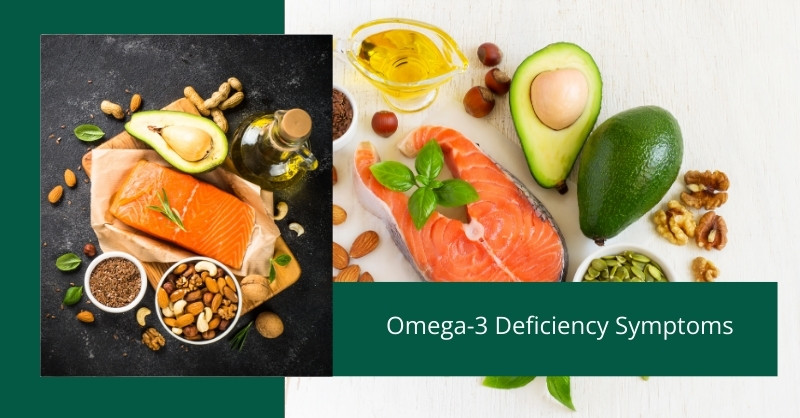
Omega-3 deficiency can lead to dry skin, fatigue, poor memory, and increased risk of chronic diseases. Recognizing these symptoms can help address deficiencies early. People who experience frequent mood swings or joint pain may benefit from increasing their omega-3 intake.
Comparison of Best Sources of Omega-3 Fatty Acids
| Source | Type of Omega-3 | Omega-3 Content (per serving) | Additional Benefits |
|---|---|---|---|
| Salmon | DHA, EPA | 1,500 mg | Rich in protein and vitamin D |
| Chia Seeds | ALA | 5,000 mg | High in fiber and antioxidants |
| Walnuts | ALA | 2,500 mg | Good source of healthy fats |
| Fish Oil Supplements | DHA, EPA | 1,000 mg | Convenient and effective |
Pie Chart: Omega-3 Content in Foods
How to Get More Omega-3
Incorporate omega-3 rich foods into your diet, such as fatty fish, nuts, and seeds. Consider taking omega-3 supplements like fish oil or krill oil for convenience. Pay attention to food labels and choose products fortified with omega-3 to enhance your intake.
Cooking methods also matter; for instance, grilling or baking fish retains more omega-3 compared to frying. Try incorporating omega-3-rich recipes into your weekly meal plan to ensure consistent intake.
Read this Article:  Chronic Back Pain: Causes, Treatment, and Relief Tips
Read this Article: Exploring the Most Effective Lung Cancer Treatment Options for Every Patient