Adopting a Dairy-Free Diet can be a life-changing decision for many, whether due to lactose intolerance, dairy allergies, or personal health choices. However, transitioning to a dairy-free lifestyle requires careful planning to ensure you avoid hidden dairy ingredients and find suitable alternatives. In this blog post, we’ll explore what to avoid on a Dairy-Free Diet and provide delicious alternatives to keep your meals exciting and nutritious.
What to Avoid on a Dairy-Free Diet
When following a Dairy-Free Diet, it’s essential to be aware of common dairy-containing foods and hidden dairy ingredients. Here’s a list of foods and ingredients to avoid:
- Milk and Milk Products: Cow’s milk, goat’s milk, sheep’s milk, and all their derivatives like cheese, yogurt, butter, and cream.
- Processed Foods: Many processed foods contain hidden dairy ingredients such as whey, casein, lactose, and milk solids. Always read food labels carefully.
- Baked Goods: Cakes, cookies, and pastries often contain butter, milk, or cream.
- Desserts: Ice cream, pudding, and custards are typically dairy-based.
- Sauces and Dressings: Cream-based sauces, salad dressings, and dips often contain dairy.
For a comprehensive guide on reading food labels, check out this resource on how to read nutrition labels.
Hidden Dairy Ingredients to Watch For
Dairy can sneak into your diet through less obvious sources. Here are some common hidden dairy ingredients:
- Whey: A byproduct of cheese production, often found in protein powders and processed foods.
- Casein: A milk protein used in many processed foods and even some non-dairy products.
- Lactose: A sugar found in milk, often added to medications and processed foods.
- Milk Solids: Often found in baked goods, soups, and sauces.
Learn more about hidden dairy ingredients.
Delicious Dairy-Free Alternatives
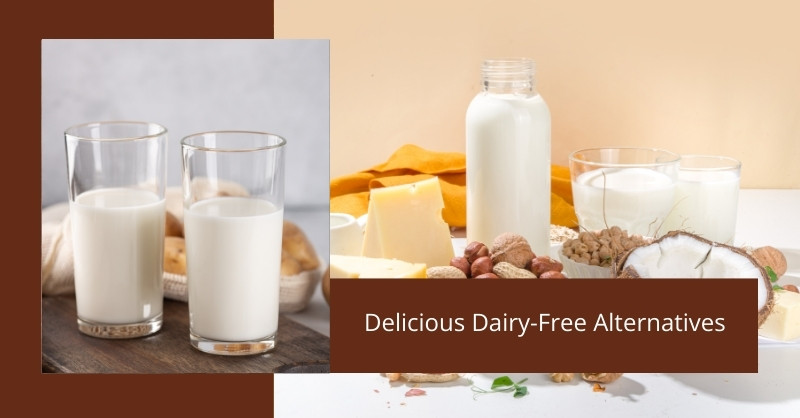
Transitioning to a Dairy-Free Diet doesn’t mean you have to give up your favorite foods. Here are some delicious and nutritious alternatives:
1. Dairy-Free Milk Alternatives
There are numerous plant-based milk options available, each with its unique flavor and nutritional profile:
- Almond Milk: Low in calories and rich in vitamin E, almond milk is a popular choice for cereals, smoothies, and baking.
- Soy Milk: High in protein and a good source of calcium, soy milk is ideal for coffee, cooking, and protein shakes.
- Oat Milk: Creamy texture and naturally sweet, oat milk is great for coffee, baking, and soups.
- Coconut Milk: Rich and creamy, coconut milk is perfect for curries and desserts.
Explore more about dairy-free milk alternatives.
2. Dairy-Free Cheese Alternatives
Dairy-free cheeses have come a long way in terms of taste and texture. Some popular options include:
- Nut-Based Cheeses: Made from cashews or almonds, these cheeses are creamy and flavorful, perfect for snacks, sandwiches, and pizzas.
- Soy-Based Cheeses: Often used in vegan pizzas and sandwiches, soy-based cheeses melt well and have a mild flavor.
- Coconut-Based Cheeses: Great for melting and adding a rich flavor to dishes, coconut-based cheeses are a versatile option.
Discover the best dairy-free cheese alternatives.
3. Dairy-Free Yogurt and Ice Cream
Enjoy your favorite creamy treats without dairy:
- Coconut Yogurt: Creamy and tangy, coconut yogurt is perfect for breakfast or snacks. It’s also rich in probiotics, which are beneficial for gut health.
- Almond Milk Ice Cream: A delicious and low-calorie alternative to traditional ice cream, almond milk ice cream comes in various flavors and is perfect for satisfying your sweet tooth.
Check out these dairy-free yogurt options.
4. Dairy-Free Butter and Creamers
Replace traditional butter and creamers with these dairy-free options:
- Plant-Based Butter: Made from oils like olive, avocado, or coconut, plant-based butter is a great alternative for cooking and baking.
- Nut-Based Creamers: Perfect for adding richness to your coffee or tea, nut-based creamers are available in various flavors and are often fortified with vitamins and minerals.
Learn more about dairy-free butter alternatives.
Comparison of Dairy-Free Alternatives
| Alternative | Base Ingredient | Best Used For |
|---|---|---|
| Almond Milk | Almonds | Cereals, smoothies, baking |
| Soy Milk | Soybeans | Coffee, cooking, protein shakes |
| Oat Milk | Oats | Coffee, baking, soups |
| Coconut Milk | Coconut | Curries, desserts, creamy sauces |
| Nut-Based Cheese | Cashews, Almonds | Snacks, sandwiches, pizzas |
| Coconut Yogurt | Coconut | Breakfast, snacks, desserts |
Benefits of a Dairy-Free Diet
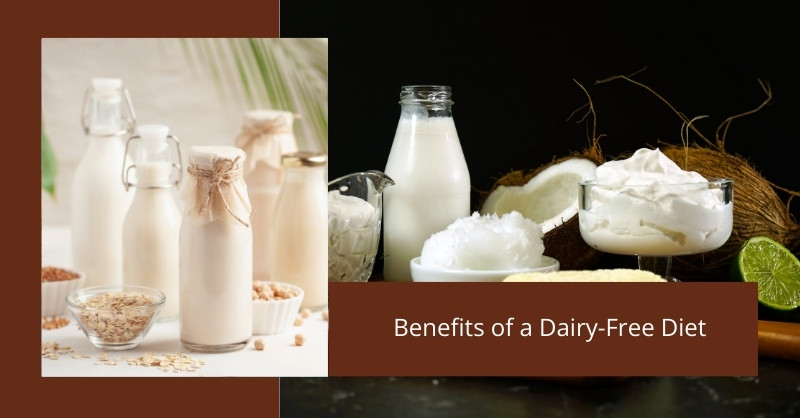
Adopting a Dairy-Free Diet can offer numerous health benefits, including:
- Improved Digestion: Many people experience less bloating and digestive discomfort after eliminating dairy. Lactose intolerance is a common issue, and removing dairy can alleviate symptoms like gas, bloating, and diarrhea.
- Reduced Inflammation: Dairy can be inflammatory for some individuals, particularly those with autoimmune conditions or sensitivities. Removing dairy may help reduce chronic inflammation and improve overall health.
- Better Skin Health: Some people find that a dairy-free diet improves acne and other skin conditions. Dairy has been linked to hormonal imbalances that can trigger breakouts, so eliminating it may lead to clearer skin.
- Weight Management: Dairy-free alternatives are often lower in calories and fat, aiding in weight loss. Additionally, many dairy-free products are made from whole, plant-based ingredients that are nutrient-dense and satisfying.
- Enhanced Nutrient Intake: A dairy-free diet encourages the consumption of a variety of plant-based foods, which can increase your intake of vitamins, minerals, and antioxidants. For example, almond milk is rich in vitamin E, while soy milk provides a good source of protein and calcium.
Read more about the benefits of a dairy-free diet.
 If you are interested, click here to participate in a short quiz related to this topic.
Conclusion
Transitioning to a Dairy-Free Diet can be a rewarding journey for your health and well-being. By understanding what to avoid and exploring delicious alternatives, you can enjoy a varied and nutritious diet without dairy. Whether you’re doing it for health reasons or personal preference, a Dairy-Free Diet can be both satisfying and beneficial.
For further reading, visit Healthline’s guide to a dairy-free diet.