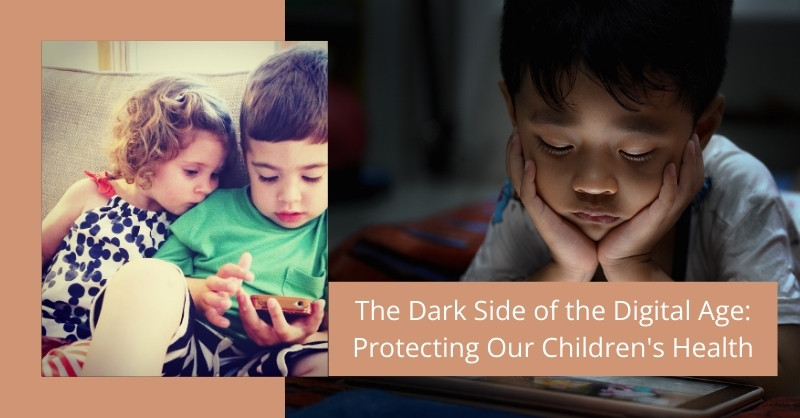
In recent years, there has been a growing concern about the rise in violent behavior among children. The phrase “Children Behave Violently” has become a topic of discussion among parents, educators, and mental health professionals. This blog explores the connection between screen time, social isolation, and violent behavior in children, offering insights and strategies to address this pressing issue.
Why Do Children Behave Violently?
Violent behavior in children can stem from various factors, including environmental influences, psychological issues, and exposure to aggressive content. In the digital age, screen time and social isolation have emerged as significant contributors to child aggression. Let’s delve deeper into these factors.
Screen Time and Its Impact on Children Behave Violently
Excessive screen time has been linked to increased aggression in children. Studies suggest that prolonged exposure to violent video games, movies, and social media content can desensitize children to violence, making them more likely to exhibit aggressive behavior. The constant bombardment of violent imagery can blur the line between reality and fiction, leading children to mimic what they see on screens.
For example, research from the American Psychological Association highlights that children who spend more than two hours a day on screens are more likely to display behavioral problems, including aggression. This is particularly concerning given the rise of online platforms that glorify violence or normalize aggressive interactions.
Social Isolation and Its Role in Children Behave Violently
The COVID-19 pandemic has exacerbated social isolation among children, leading to increased feelings of loneliness and frustration. Without regular social interactions, children may struggle to develop essential emotional regulation skills, resulting in outbursts of anger and aggression. Social isolation can also lead to increased screen time, creating a vicious cycle that further fuels violent behavior.
According to the Centers for Disease Control and Prevention, children who experience prolonged isolation are at a higher risk of developing mental health issues, such as anxiety and depression, which can manifest as aggressive behavior. The lack of peer interaction deprives children of opportunities to learn conflict resolution and empathy, key skills for managing emotions.
Comparison: Factors Contributing to Children Behave Violently
| Factor | Impact on Child Behavior | Prevention Strategies |
|---|---|---|
| Excessive Screen Time | Increased aggression, desensitization to violence | Limit screen time, encourage outdoor activities |
| Social Isolation | Loneliness, emotional dysregulation | Promote social interactions, provide emotional support |
| Exposure to Violent Content | Mimicking aggressive behavior | Monitor media consumption, discuss content with children |
| Family Environment | Modeling aggressive behavior, lack of supervision | Create a nurturing home environment, set clear boundaries |
| Lack of Emotional Regulation | Difficulty managing anger and frustration | Teach coping mechanisms, practice mindfulness |
How to Address Children Behave Violently

Addressing violent behavior in children requires a multi-faceted approach. Here are some strategies to help parents and caregivers:
1. Set Screen Time Limits
Establish clear boundaries for screen time and encourage children to engage in physical activities, hobbies, and face-to-face interactions. Use parental controls to monitor and restrict access to violent content. The American Academy of Pediatrics recommends no more than one hour of screen time per day for children aged 2 to 5 and consistent limits for older children.
2. Foster Social Connections
Encourage children to participate in group activities, sports, and community events. Building strong social connections can help reduce feelings of isolation and improve emotional well-being. Schools and community centers often offer programs that promote teamwork and communication, which are essential for healthy social development.
3. Teach Emotional Regulation
Help children develop healthy coping mechanisms for managing anger and frustration. Techniques such as deep breathing, mindfulness, and positive self-talk can be effective in reducing aggressive behavior. For example, teaching children to count to ten before reacting to a stressful situation can help them pause and think before acting out.
4. Seek Professional Help
If violent behavior persists, consider seeking help from a child psychologist or counselor. Early intervention can prevent long-term behavioral issues and promote healthier development. Therapies such as Cognitive Behavioral Therapy (CBT) have been shown to be effective in helping children manage aggression and develop better coping skills.
The Role of Parenting in Preventing Children Behave Violently

Parenting plays a crucial role in shaping a child’s behavior. Children often model their actions based on what they observe at home. Therefore, it is essential for parents to create a nurturing and supportive environment. Here are some parenting tips to prevent violent behavior:
1. Be a Positive Role Model
Children learn by observing their parents. Demonstrating calm and respectful behavior, even in stressful situations, can teach children how to handle their emotions constructively. Avoid yelling or using physical punishment, as these can reinforce aggressive behavior.
2. Communicate Openly
Encourage open communication with your child. Let them express their feelings and concerns without fear of judgment. This helps build trust and allows parents to address underlying issues that may contribute to aggressive behavior.
3. Establish Consistent Rules
Set clear and consistent rules for behavior. Children thrive in structured environments where they know what is expected of them. Consistently enforcing rules helps children understand boundaries and the consequences of their actions.
Visualizing the Impact: Children Behave Violently
 If you are interested, click here to participate in a short quiz related to this topic.
Conclusion
The rise in violent behavior among children is a complex issue influenced by factors such as screen time, social isolation, and exposure to aggressive content. By understanding these factors and implementing effective strategies, parents and caregivers can help children develop healthier behaviors and emotional resilience. Addressing the root causes of why Children Behave Violently is essential for creating a safer and more nurturing environment for our youth.
For further reading on child behavior and mental health, visit Child Mind Institute.