Childhood allergies are increasingly common, affecting millions of children worldwide. These allergies can range from mild to severe, disrupting daily life and causing significant health challenges. Preventing childhood allergies involves understanding their causes, identifying risk factors, and taking proactive steps. While genetics play a crucial role, environmental influences and early-life exposures are also significant. Research continues to uncover ways to reduce the risk and severity of childhood allergies.
Understanding Childhood Allergies
Allergies occur when the immune system overreacts to substances it perceives as threats. This immune response can trigger symptoms such as sneezing, itching, swelling, or even anaphylaxis in severe cases. Common childhood allergies include food allergies, seasonal allergies, asthma, and eczema. Each of these has unique triggers and symptoms:
| Type of Allergy | Common Triggers |
|---|---|
| Food Allergies in Children | Peanuts, milk, eggs, tree nuts, shellfish |
| Seasonal Allergies in Children | Pollen, grass, mold |
| Skin Allergies | Soaps, detergents, certain fabrics |
| Asthma in Children | Dust mites, pet dander, smoke |
Understanding the types and triggers of childhood allergies is the first step toward effective management and prevention. By identifying these triggers early, parents can better protect their children from exposure and related complications.
Most Common Food Allergies in Kids
Food allergies in children are among the most concerning because they can cause severe reactions. The most common food allergies include:
- Peanut Allergy in Children: One of the most severe and potentially life-threatening.
- Milk Allergy in Children: Often outgrown by school age.
- Egg Allergy in Children: Affects many young children but is often outgrown.
- Tree Nut Allergy in Children: Includes almonds, walnuts, and cashews.
- Shellfish Allergy in Children: Rarely outgrown and can trigger severe reactions.
- Peanut Allergy
- Milk Allergy
- Egg Allergy
- Tree Nut Allergy
- Shellfish Allergy
Diagnosing and Managing Childhood Allergies
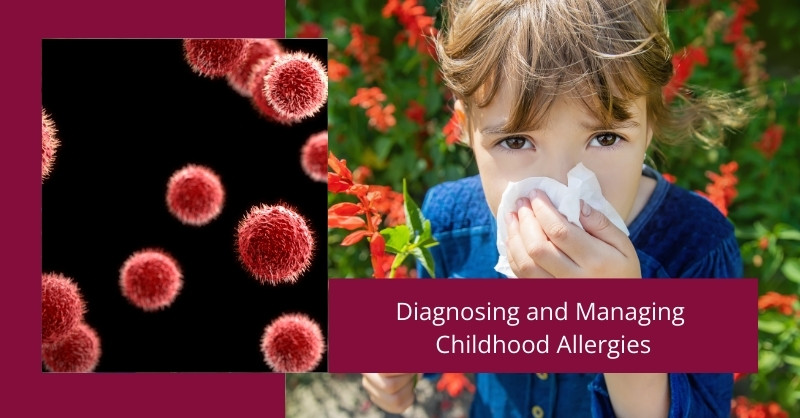
Diagnosing childhood allergies typically involves a thorough medical history, physical examination, and allergy testing. Pediatric allergists use tests such as skin prick tests, blood tests, and elimination diets to identify allergens. Early diagnosis is essential to prevent complications and improve the child’s quality of life.
Management strategies include:
- Avoiding identified allergens.
- Using medications such as antihistamines or corticosteroids to control symptoms.
- Implementing lifestyle changes, such as keeping homes free from dust and allergens.
- Educating the child and caregivers on how to recognize and respond to allergic reactions.
For children with severe allergies, it’s critical to have an emergency action plan in place. Carrying epinephrine auto-injectors and knowing how to use them can save lives during anaphylactic reactions. Schools and daycare centers should also be informed about the child’s allergies to ensure their safety.
Treating Childhood Allergies
Treatment for childhood allergies depends on the type and severity of the allergic response. For mild allergies, over-the-counter antihistamines can provide relief. For more severe allergies, especially food allergies, an epinephrine auto-injector may be prescribed. Immunotherapy, such as allergy shots or sublingual tablets, is another option for long-term treatment of certain allergies.
Specialized treatments are available for different types of allergies:
- Food Allergies: Avoidance of allergenic foods is key. Some children may outgrow their food allergies over time, while others might need lifelong management.
- Asthma: Inhalers and other medications can help control asthma symptoms and prevent attacks.
- Eczema: Regular moisturization and topical medications can manage symptoms effectively.
It’s important to consult healthcare professionals for tailored treatment plans and to monitor progress over time. New treatments and approaches continue to emerge, offering hope for better management of childhood allergies.
Preventing Childhood Allergies
Although preventing childhood allergies entirely may not always be possible, there are steps parents can take to minimize risks:
- Breastfeeding: Studies suggest that breastfeeding for at least six months may reduce the risk of developing allergies by strengthening the baby’s immune system.
- Early Introduction of Allergenic Foods: Introducing foods like peanuts, eggs, and dairy early in life, under medical supervision, may help build tolerance.
- Minimizing Environmental Triggers: Keeping homes free from smoke, mold, and dust can reduce exposure to potential allergens.
- Healthy Diet During Pregnancy: A balanced diet rich in fruits, vegetables, and omega-3 fatty acids during pregnancy may lower the risk of allergies in offspring.
- Probiotics: Some studies suggest that probiotics during pregnancy and infancy might support a healthy gut microbiome and reduce allergy risks.
Preventative strategies can make a significant difference in reducing the prevalence and severity of childhood allergies. Parents should discuss these measures with their pediatrician to create a customized approach for their child.
Living with Childhood Allergies
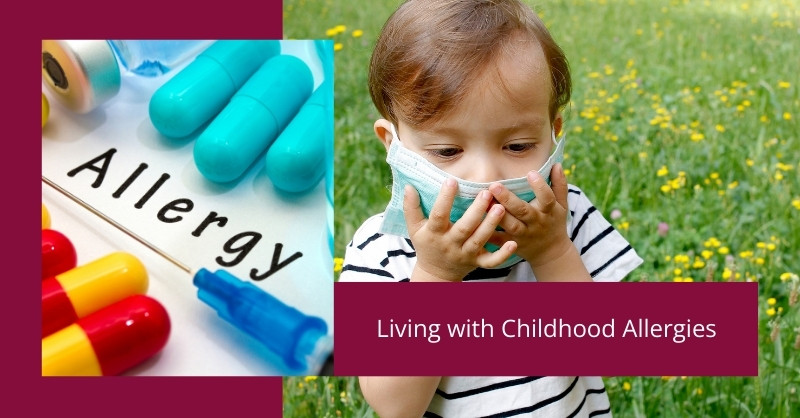
Living with childhood allergies requires a combination of education, preparation, and support. Parents and caregivers should work closely with schools and childcare providers to ensure that allergy management plans are in place. This includes having access to emergency medications, such as epinephrine auto-injectors, and training staff on how to use them.
Families should also foster a supportive home environment. Open communication with the child about their allergies helps them understand the importance of avoiding triggers and adhering to treatment plans. Additionally, joining support groups can provide parents with valuable insights and emotional support.
Children with allergies can still enjoy a high quality of life with the right strategies and resources. Encouraging independence and teaching them how to manage their allergies as they grow older empowers them for adulthood.
 To assess your understanding of this topic, please click here to take a short quiz.
Conclusion
While not all childhood allergies can be prevented, understanding their causes and taking proactive steps can significantly reduce risks. Consultation with specialists and maintaining a healthy lifestyle are key to managing and potentially preventing allergies in children. By staying informed and vigilant, families can create safer environments and improve the quality of life for children with allergies.