In our fast-paced world, hormonal imbalances have become increasingly common, affecting millions of women worldwide. The good news is that through targeted nutrition and lifestyle changes, Balancing Hormones Naturally is not only possible but can be transformative for your health. This 2026 guide explores the latest advancements in nutritional science for endocrine health, offering practical strategies you can implement today.
The Foundation of Balancing Hormones Naturally
Hormones act as chemical messengers in our bodies, regulating everything from metabolism and sleep cycles to mood and reproductive health. When they’re out of balance, we experience symptoms like fatigue, weight gain, mood swings, and disrupted sleep. The journey toward Balancing Hormones Naturally begins with understanding how nutrition directly influences our endocrine system.
Modern research continues to reveal that natural ways to balance hormones through diet are often more effective and sustainable than quick fixes. The approach to Balancing Hormones Naturally involves consuming specific nutrients that support hormone production, metabolism, and elimination.
2026 Insight: Recent studies emphasize the bidirectional relationship between gut health and hormones. A healthy gut microbiome is now recognized as essential for proper hormone regulation, making probiotics and fiber crucial components of any Balancing Hormones Naturally protocol.
Essential Foods for Balancing Hormones Naturally
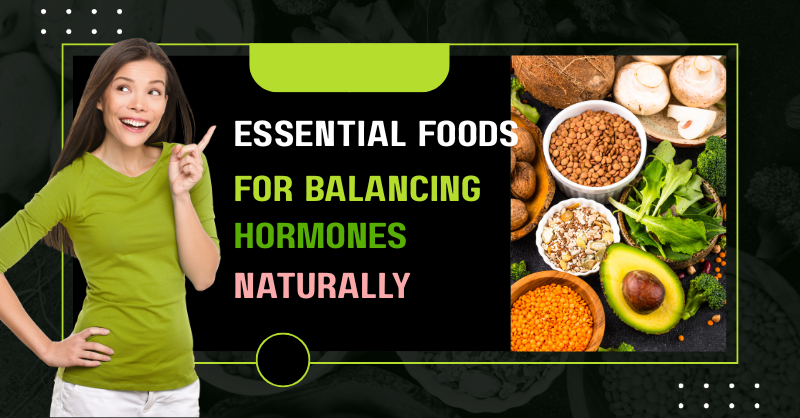
The cornerstone of any effective hormone-balancing foods 2026 approach is a diverse, nutrient-dense diet. Here are the key food categories that support Balancing Hormones Naturally :
| Food Category | Key Hormonal Benefits | Top 2026 Recommendations |
|---|---|---|
| Cruciferous Vegetables | Support estrogen detoxification, reduce estrogen dominance | Broccoli sprouts, kale, Brussels sprouts, cabbage |
| Healthy Fats | Essential for hormone production, reduce inflammation | Avocado, olive oil, nuts, seeds, fatty fish |
| High-Fiber Foods | Promote estrogen detox, support gut health and hormones | Flaxseeds, chia seeds, legumes, berries, whole grains |
| Omega-3 Rich Foods | Reduce inflammation, support hormonal health | Wild salmon, sardines, walnuts, algae oil |
| Magnesium-Rich Foods | Support stress response, improve sleep and hormone regulation | Spinach, pumpkin seeds, almonds, dark chocolate |
Specialized Approaches to Balancing Hormones Naturally
Beyond general dietary principles, specific conditions may require tailored approaches. For those with PCOS diet for hormone balance needs, focusing on managing insulin resistance through a low-glycemic, anti-inflammatory diet is crucial. Women in perimenopause nutrition 2026 should prioritize phytoestrogen-rich foods and nutrients that support declining hormone production.
Similarly, addressing thyroid health requires adequate selenium, iodine, and zinc, while managing estrogen dominance calls for increased cruciferous vegetable intake and liver-supportive foods. The approach to Balancing Hormones Naturally recognizes that one size doesn’t fit all, and personalization is key.
Key Components for Balancing Hormones Naturally
Nutrition (40%)
Sleep Quality (25%)
Stress Management (15%)
Physical Activity (15%)
Hydration (5%)
A holistic approach to Balancing Hormones Naturally involves multiple lifestyle factors working together.
Advanced Strategies for Balancing Hormones Naturally
As we move further into 2026, several advanced nutritional strategies have gained prominence for Balancing Hormones Naturally :
Seed Cycling for Hormone Balance
This practice involves consuming specific seeds during different phases of the menstrual cycle to support estrogen and progesterone balance. For the follicular phase (days 1-14), focus on flax and pumpkin seeds. For the luteal phase (days 15-28), incorporate sesame and sunflower seeds.
Adaptogens for Natural Hormone Balance
Adaptogenic herbs like ashwagandha for hormones and maca root for hormonal support help the body adapt to stress, which is crucial for maintaining hormonal equilibrium. These herbs work by modulating the hypothalamic-pituitary-adrenal (HPA) axis, reducing cortisol’s disruptive effects on other hormones.
Herbal Teas for Hormone Balance
Incorporate spearmint tea (shown to reduce androgen levels in PCOS), red clover (rich in phytoestrogens), and chasteberry tea (supports progesterone production) as part of your daily Balancing Hormones Naturally routine.
2026 Trend: Personalized nutrigenomics is emerging as a powerful tool for Balancing Hormones Naturally . By understanding your genetic predispositions, you can tailor your diet to support specific hormonal pathways that may need extra attention.
Lifestyle Synergy with Nutritional Approaches
While nutrition forms the foundation, truly effective Balancing Hormones Naturally requires a holistic approach. Stress management for hormonal health is non-negotiable, as chronic stress elevates cortisol, disrupting other hormonal pathways. Practices like meditation, yoga, and time in nature can significantly impact your hormonal landscape.
Similarly, sleep and hormone regulation are intimately connected. Aim for 7-9 hours of quality sleep nightly, as this is when crucial hormone production and repair occur. Even the best diet to balance hormones naturally will have limited effect without proper sleep and stress management.
Foods to Limit for Optimal Hormonal Balance
Just as important as what to include is what to limit or avoid. A sugar-free diet for hormonal balance approach reduces insulin spikes that can disrupt other hormones. Processed foods, excessive caffeine, alcohol, and inflammatory oils should also be minimized as they can interfere with the process of Balancing Hormones Naturally .
Further Resources for Balancing Hormones Naturally
Expand your knowledge with these authoritative resources:
Conclusion: Your Path Forward with Balancing Hormones Naturally
The journey toward hormonal harmony through Balancing Hormones Naturally is both a science and an art. By incorporating the best foods for female hormone balance, managing stress, prioritizing sleep, and personalizing your approach based on your unique needs, you can create sustainable hormonal health.
Remember that Balancing Hormones Naturally is a process, not a destination. Start with small, consistent changes—perhaps adding more cruciferous vegetables to your meals, incorporating seed cycling, or prioritizing an extra hour of sleep. Over time, these changes compound, leading to significant improvements in how you feel each day.
As we continue through 2026, the evidence for food-as-medicine approaches to hormonal health only grows stronger. Your plate holds powerful tools for Balancing Hormones Naturally —tools that can help you achieve vibrant health at any stage of life.
© 2026 Natural Hormone Health Guide. This article is for informational purposes only and is not a substitute for professional medical advice.
Nourish your body, balance your hormones, thrive in health