A comprehensive guide for parents to understand the puberty age range, recognize early and late puberty signs, and navigate the adolescent development stages with confidence.
For parents and caregivers, understanding when does puberty start is crucial for supporting children through one of life’s most significant transitions. Puberty represents the period when a child’s body begins to develop and change as they transition into adulthood. But with so much variation in timing, it’s natural to wonder about the normal puberty timeline and what constitutes early or delayed puberty.
Quick Fact: The average age of puberty onset has been gradually decreasing over the past century. While this trend has stabilized in recent decades, it’s important to understand the current puberty age range to set appropriate expectations.
Understanding When Does Puberty Start: The Basics
So, when does puberty start exactly? The answer varies significantly between individuals, but there are general patterns based on gender. For girls, the puberty onset age typically ranges from 8 to 13 years, with the average being around 10-11 years. For boys, when does puberty start in boys usually occurs between 9 and 14 years, with the average around 11-12 years. Understanding these ranges helps parents recognize whether their child is following a normal puberty timeline or if there might be cause for concern.
The question ” what age does puberty begin ” is often followed by “what triggers puberty?” The process begins in the brain when the hypothalamus starts releasing gonadotropin-releasing hormone (GnRH). This hormone signals the pituitary gland to produce two key puberty hormones : luteinizing hormone (LH) and follicle-stimulating hormone (FSH). These hormones then stimulate the ovaries in girls and testes in boys to produce sex hormones, initiating the physical and emotional changes of puberty.
The Puberty Timeline: When Does Puberty Start for Boys vs. Girls
Understanding the differences in puberty onset age children experience is crucial. Girls generally enter puberty about 1-2 years earlier than boys. The first visible sign for girls is typically breast budding, while for boys it’s testicular enlargement. These initial changes mark the beginning of the puberty growth stages that will continue over several years.
| Puberty Milestone | Average Age in Girls | Average Age in Boys |
|---|---|---|
| First physical signs | 8-13 years | 9-14 years |
| Growth spurt begins | 9.5-14.5 years | 10.5-16 years |
| Peak height velocity | 11.5-12 years | 13.5-14 years |
| Menarche/voice change | 12-13 years | 13-15 years |
| Completion of puberty | 15-17 years | 16-18 years |
Early Puberty: Signs, Causes, and Concerns
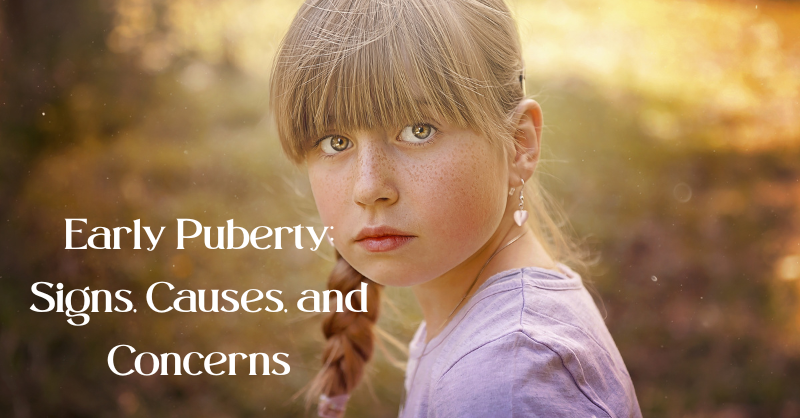
Early puberty, medically known as precocious puberty, occurs when a child begins showing signs puberty has started before age 8 in girls and before age 9 in boys. Recognizing early puberty signs is important because it can affect a child’s physical and emotional development. Some common precocious puberty symptoms include breast development or testicular enlargement at a very young age, rapid height growth, acne, and body odor.
The question of ” what triggers puberty prematurely?” has several answers. Early puberty causes can include genetic factors, obesity, exposure to endocrine-disrupting chemicals, certain medical conditions, or central nervous system abnormalities. For parents concerned about precocious puberty in girls or boys, it’s important to consult a pediatrician who can provide proper puberty doctor guidance .
Distribution of Puberty Onset Ages
This diagram illustrates the typical distribution of when puberty begins in children:
(Before 8/9)
(8-13/9-14)
(After 13/14)
(After 15/16)
Early Puberty (5%)
Typical Range (85%)
Late Puberty (8%)
Very Late (2%)
Note: Percentages are approximate based on population studies. Girls’ ages shown first (8/13/15), boys’ ages in parentheses (9/14/16).
Late Puberty: Understanding Delayed Development
On the other end of the spectrum, delayed puberty occurs when there are no signs of puberty beginning by age 13 in girls or age 14 in boys. Delayed puberty symptoms can include lack of breast development in girls by age 13, no testicular enlargement in boys by age 14, or no menstrual period in girls by age 16. Parents often wonder ” when does puberty start ” for children experiencing delays and what might be causing it.
The causes of delayed puberty are varied and can include genetic factors (especially if parents experienced late puberty), chronic illnesses, nutritional deficiencies, excessive exercise, hormonal imbalances, or genetic conditions. While most cases of delayed puberty are simply constitutional (meaning the child is a “late bloomer”), it’s important to rule out medical issues. Delayed puberty treatment depends on the underlying cause and may involve hormone therapy or addressing any underlying health conditions.
Puberty Changes: Physical and Emotional Transformations
Regardless of when does puberty start , the process involves significant transformations. Puberty changes in girls include breast development, growth of pubic and underarm hair, widening of hips, the start of menstruation, and a growth spurt that typically occurs earlier than in boys. Puberty changes in boys include testicular and penile enlargement, growth of facial, pubic, and body hair, deepening of the voice, increased muscle mass, and a later but more pronounced growth spurt.
Beyond the physical changes, puberty emotional changes are equally significant. Hormonal fluctuations can lead to mood swings, increased self-consciousness, developing romantic interests, and a desire for more independence. These adolescent development stages represent normal psychological growth but can be challenging for both teens and their parents.
| Puberty Development Stage | Key Physical Changes | Key Emotional Changes |
|---|---|---|
| Early Stage | Initial breast buds/testicular growth, first pubic hair | Mood swings begin, increased self-awareness |
| Middle Stage | Growth spurt, further sexual development, skin changes | Stronger emotions, peer importance increases |
| Late Stage | Adult body proportions, completion of sexual maturation | Identity formation, abstract thinking develops |
Parental Guidance: Navigating the Puberty Journey
For parents seeking puberty guidance for parents , the most important step is open communication. Discussing puberty body changes explained in age-appropriate ways before they happen can reduce anxiety. It’s also helpful to understand the puberty timeline for children to set appropriate expectations. Many parents have puberty age questions parents ask about what’s normal, and it’s always okay to consult with a pediatrician.
Some puberty health tips for parents include encouraging good nutrition, promoting healthy sleep habits, supporting physical activity, and teaching proper hygiene. It’s also important to be aware of puberty red flags that warrant medical attention, such as signs of depression, extreme weight changes, or development that falls significantly outside the typical puberty age range .
Parent Tip: Create a puberty development chart with your child to track their growth and development. This can help normalize the changes and provide opportunities for discussion about their puberty growth stages and any concerns they may have.
Looking Ahead: Puberty Onset in 2026 and Beyond
As we look toward puberty onset 2026 and beyond, researchers continue to study trends in puberty timing. While the secular trend toward earlier puberty seems to have stabilized in developed countries, factors like nutrition, stress, environmental exposures, and overall health continue to influence when does puberty start . Staying informed about current puberty developmental stages 2026 research can help parents make informed decisions about their children’s health.
Understanding normal vs abnormal puberty remains crucial. While there’s considerable variation in the timing of puberty starting signs , extreme deviations from the typical range should be evaluated. With proper knowledge and support, parents can help their children navigate the puberty transition phases with confidence and health.
Additional Resources on Puberty
For more information about when does puberty start and related topics, consider these reputable sources:
This information is for educational purposes only and is not a substitute for professional medical advice. Always consult with a healthcare provider for concerns about your child’s development.