What Are Common Skin Allergies?
Common skin allergies occur when the body’s immune system mistakenly identifies a harmless substance as a threat. As a result, the immune system overreacts, triggering a cascade of responses that lead to inflammation and various skin manifestations. These allergens can range from environmental factors such as pollen and dust mites to specific foods, metals, or even certain fabrics. Moreover, the severity of allergic reactions varies significantly depending on an individual’s sensitivity and the type of allergen involved.
Synonyms and Related Terms: Sensitive skin reactions, allergic skin conditions, immune responses on the skin, allergic dermatitis, skin hypersensitivity.
Symptoms of Common Skin Allergies
Recognizing the symptoms of skin allergies is the first critical step toward effective management. Notably, these symptoms can either appear rapidly after exposure to an allergen or develop gradually over several days. Therefore, it is important to monitor and note any changes in skin condition promptly.
- Rashes: These can present as red, bumpy patches, small bumps, or large, raised welts, which may feel itchy, warm, or even painful.
- Swelling (Edema): Inflammation can lead to localized swelling, especially around the eyes, lips, or the areas that came into contact with the allergen.
- Itching (Pruritus): Itching can be persistent and disruptive, often leading to sleep disturbances or difficulty concentrating on daily activities.
- Dryness (Xerosis): Allergic reactions may cause the skin to become dry, flaky, or cracked.
- Additional Symptoms: In some cases, blisters, scaling, oozing, and crusting may appear, which can complicate the allergic reaction further.
Key Synonyms: Skin irritation, dermatitis, allergic reactions on the skin, skin inflammation, cutaneous allergy.
Common Causes of Skin Allergies
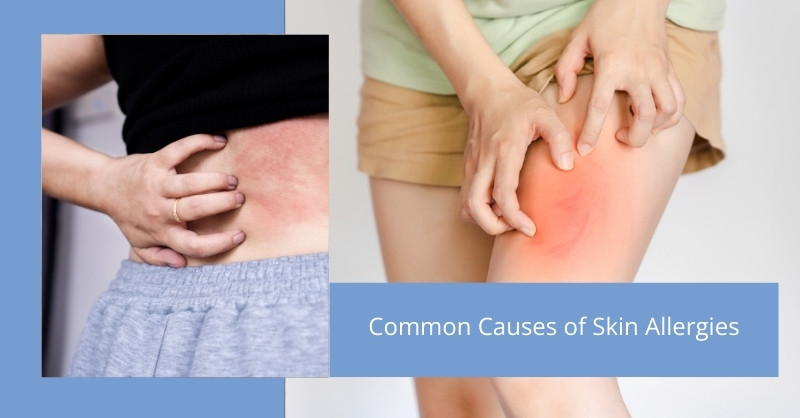
Identifying the exact allergen is vital for effectively managing skin allergies. There are several common causes to be aware of, and understanding these can significantly impact treatment:
- Food Allergens: Peanuts, tree nuts, milk, eggs, soy, wheat, fish, and shellfish are common food allergens that can lead to skin reactions.
- Environmental Factors: Pollen, dust mites, mold spores, and pet dander are frequent environmental triggers for skin allergies.
- Contact Allergens: Nickel, latex, fragrances, cosmetics, soaps, detergents, and poison ivy can provoke reactions upon direct contact.
- Medications: Certain medications such as antibiotics and NSAIDs can cause allergic skin reactions in some individuals.
- Insect Bites and Stings: Bites and stings from insects often result in localized swelling, redness, and itching, which may also trigger allergic reactions.
Types of Common Skin Allergies
1. Atopic Dermatitis (Eczema)
This chronic condition causes dry, itchy, and inflamed skin, often triggered by stress, irritants, or allergens. In fact, eczemamay appear or worsen under specific conditions.
2. Contact Dermatitis
This type of allergy occurs when the skin comes in contact with an allergen or irritant, such as nickel, fragrances, or certain fabrics.
3. Hives (Urticaria)
Hives are raised, itchy welts that can result from a reaction to foods, medications, or physical stimuli like heat or pressure.
4. Photodermatitis
Photodermatitis occurs when sunlight interacts with certain chemicals, medications, or cosmetics, triggering an allergic reaction on the skin.
Diagnosing Skin Allergies
Accurate diagnosis is essential for proper treatment. The process often involves a detailed medical history, followed by diagnostic tests such as patch testing, blood tests, and skin prick tests to pinpoint the specific allergen responsible.
Treatments for Common Skin Allergies

Over-the-Counter Solutions
For mild skin allergic reactions, over-the-counter remedies such as antihistamines, hydrocortisone creams, and calamine lotion are commonly used and can provide immediate relief.
Prescription Treatments
In more severe cases, doctors may prescribe oral corticosteroids, calcineurin inhibitors, or biologics to effectively manage symptoms and control inflammation.
Home Remedies
- Moisturizing the skin regularly helps retain hydration and prevent further irritation.
- Applying cool compresses can alleviate swelling and discomfort associated with allergic reactions.
- Oatmeal baths are known to soothe irritated skin and reduce inflammation.
Preventing Common Skin Allergies
Prevention is often more effective than treatment when it comes to managing skin allergies. The most straightforward prevention tips include avoiding known allergens, wearing protective clothing, and managing stress levels. Additionally, maintaining healthy skin with regular moisturizing and gentle skincare products is essential for reducing the likelihood of flare-ups.
When to See a Doctor
If symptoms persist, worsen, or if signs of anaphylaxis (severe allergic reactions) appear, it is crucial to consult a healthcare professional. Immediate treatment is necessary in such cases to avoid further complications.