Tuberculosis Symptoms and Treatment: Signs and Care Guide
Tuberculosis (TB) is a serious infectious disease that primarily affects the lungs but can also impact other parts of the body. Understanding Tuberculosis symptoms and treatment is crucial for early detection and effective management. In this guide, we’ll explore the signs of TB, how it spreads, and the best treatment options available to help you or your loved ones stay healthy. By the end, you’ll have a clear understanding of how to recognize, treat, and prevent this disease.
What is Tuberculosis?
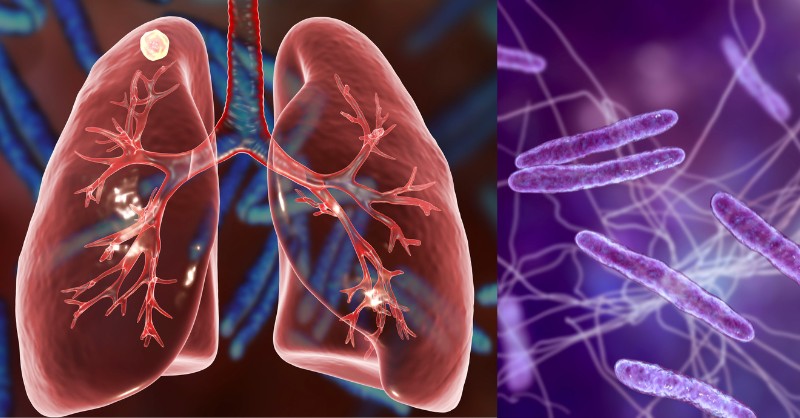
Tuberculosis stems from the bacterium Mycobacterium tuberculosis. The bacteria spread through the air when an infected person coughs, sneezes, or talks. While TB primarily targets the lungs, it can also affect the kidneys, spine, and brain. Early diagnosis and proper treatment are essential to prevent complications and stop the spread of the disease.
Moreover, TB exists in two forms: latent TB and active TB. In latent TB, the bacteria remain inactive and cause no symptoms. However, without treatment, latent TB can progress to active TB, which is contagious and potentially life-threatening. Therefore, knowing the symptoms of TB and seeking timely medical care is critical.
Recognizing Tuberculosis Symptoms and Treatment Needs
Recognizing the symptoms of TB is the first step toward effective treatment. Here are the most common signs to watch for:
- Persistent cough lasting more than three weeks
- Coughing up blood or mucus
- Chest pain or discomfort, especially while breathing or coughing
- Fatigue and weakness
- Unintentional weight loss
- Fever and chills
- Night sweats
If you experience any of these symptoms, especially a prolonged cough, consult a healthcare professional immediately. Additionally, symptoms may vary depending on the part of the body affected. For instance, spinal TB can cause back pain, while kidney TB may lead to blood in the urine.
How Tuberculosis Spreads and Its Impact on Treatment
TB spreads through tiny droplets released into the air when an infected person coughs, sneezes, or talks. However, not everyone exposed to the bacteria develops active TB. Some people have latent TB infection, where the bacteria remain inactive and cause no symptoms. Without proper treatment, latent TB can progress to active TB, making early detection critical.
Furthermore, certain factors increase the risk of TB transmission. For example, crowded living conditions, weakened immune systems, and lack of access to healthcare can all contribute to the spread of the disease. Therefore, understanding how TB spreads is essential for prevention and effective treatment for Tuberculosis.
Diagnosing Tuberculosis: The First Step Toward Treatment
Accurate diagnosis is key to managing TB symptoms and treatment. Common diagnostic methods include:
- Tuberculin skin test (TST): A healthcare professional injects a small amount of fluid under the skin to check for a reaction.
- Blood tests (IGRA): These tests measure the immune system’s response to TB bacteria.
- Chest X-rays: These help identify lung abnormalities caused by TB.
- Sputum tests: A lab examines samples of mucus for the presence of TB bacteria.
These tests help determine whether you have latent or active TB and guide the appropriate treatment plan. Early diagnosis not only improves outcomes but also reduces the risk of spreading the disease to others.
Effective Treatment Options for Tuberculosis
The good news is that TB is treatable with the right approach. Treatment for Tuberculosis typically involves a combination of antibiotics taken over several months. Here’s what you need to know:
- First-line drugs: These include Isoniazid, Rifampin, Ethambutol, and Pyrazinamide.
- Drug-resistant TB: In cases of drug-resistant TB, doctors may prescribe second-line drugs like Bedaquiline and Linezolid.
- Directly Observed Therapy (DOT): This ensures patients take their medications correctly and complete the treatment course.
It’s crucial to follow the prescribed treatment plan to avoid complications and prevent the development of drug-resistant strains. Additionally, patients should report any side effects, such as nausea or jaundice, to their healthcare provider immediately.
Preventing Tuberculosis: Reducing the Need for Treatment
Prevention is always better than cure. Here are some effective ways to reduce the risk of TB:
- Vaccination: The BCG vaccine is commonly used in countries with high TB rates.
- Good hygiene: Cover your mouth when coughing or sneezing, and wash your hands regularly.
- Ventilation: Ensure proper airflow in living and workspaces to reduce the concentration of TB bacteria.
- Healthy lifestyle: A strong immune system can help fight off infections more effectively.
Moreover, if you’ve been in close contact with someone who has active TB, it’s important to get tested. Early detection of latent TB can prevent it from progressing to the active form.
Living with Tuberculosis: Managing Symptoms and Treatment
If you or someone you know is undergoing TB treatment, here are some tips to manage the condition:
- Take medications as prescribed: Skipping doses can lead to drug resistance.
- Maintain a balanced diet: Proper nutrition supports recovery.
- Stay active: Light exercise can improve lung function and overall health.
- Seek support: Join support groups or talk to a counselor to cope with the emotional challenges of TB.
Additionally, patients should avoid close contact with others until they are no longer contagious. This helps prevent the spread of the disease to family and friends.
Frequently Asked Questions About Tuberculosis Symptoms and Treatment
1. Is Tuberculosis curable?
Yes, TB is curable with proper treatment. However, treatment can take several months, and adherence to the medication schedule is crucial.
2. Can TB come back after treatment?
In some cases, TB can recur, especially if the initial treatment was incomplete or the immune system is weakened.
3. How long does TB treatment last?
Treatment typically lasts 6–9 months for active TB and 3–4 months for latent TB.
4. Is TB contagious?
Yes, TB is contagious, but only active TB in the lungs can spread to others.
5. What are the side effects of TB medications?
Common side effects include nausea, vomiting, and liver problems. Always consult your doctor if you experience any adverse effects.
The Global Impact of Tuberculosis
TB remains a major global health concern, particularly in low- and middle-income countries. According to the World Health Organization (WHO), millions of people are affected by TB each year, and it is one of the top 10 causes of death worldwide. However, with increased awareness, better diagnostics, and effective treatments, the global burden of TB can be reduced.
Conclusion: Early Action Saves Lives
Understanding Tuberculosis symptoms and treatment is vital for timely intervention and effective care. If you suspect you or someone you know may have TB, seek medical attention immediately. With proper diagnosis, treatment, and preventive measures, TB can be managed successfully, ensuring a healthier future for everyone. Remember, early detection and adherence to treatment are the keys to overcoming this disease.