Puberty is one of the most dynamic and transformative periods of human development. It’s a time when a child’s body matures into an adult body capable of reproduction. Central to this transformation is the process of how puberty affects growth—specifically, the rapid changes in height, bone structure, and the hormonal orchestra that directs it all. This blog post will break down the science behind puberty and height growth, puberty bone growth changes, and the critical puberty hormone changes that dictate your adolescent growth timeline.
The Puberty Growth Spurt: A Height Primer
The most visible sign of how puberty affects growth is the dramatic increase in height, known as the growth spurt. This isn’t a gradual process; it’s a rapid acceleration that accounts for about 15-20% of an individual’s final adult height. The timing of this growth spurt during puberty varies, but it generally occurs between ages 8-13 for girls and 10-15 for boys. Understanding height development in puberty requires looking at the growth plates, or epiphyses, in the long bones.
The Mechanics of How Puberty Affects Growth Plates
Growth plates are areas of developing cartilage at the ends of long bones like the femur and tibia. During childhood, these plates are active, leading to steady growth. At puberty, a surge in hormones, primarily growth hormones in puberty, along with sex steroids, causes these plates to multiply cartilage cells at an explosive rate. This process, a key part of puberty skeletal development, is what makes teens shoot up in height. Eventually, these plates “close” or harden into solid bone, marking the end of height changes in teens.
Primary Hormonal Drivers of Growth in Puberty
This diagram illustrates the proportional influence of major hormones on physical growth during puberty. While Growth Hormone is the primary driver, sex steroids like testosterone and estrogen are crucial for timing and bone maturation.
The Hormonal Symphony: How Puberty Affects Growth
The entire process of adolescent growth stages is directed by a complex interplay of hormones. The hypothalamus in the brain signals the pituitary gland, which then releases growth hormones in puberty. This hormone travels to the liver, triggering the production of Insulin-like Growth Factor-1 (IGF-1), which directly stimulates the growth plates.
Simultaneously, the sex hormones—testosterone and growth in males and estrogen and growth in females—begin to rise. These hormones are not just for sexual development; they are potent amplifiers of the growth process. They accelerate the activity of growth plates but also are responsible for their eventual fusion. This dual role explains the puberty growth timeline and why growth stops after puberty.
| Puberty Stage (Tanner Stage) | Typical Age Range | Key Growth & Development Milestones | Primary Hormonal Activity |
|---|---|---|---|
| Stage 1 (Pre-pubertal) | Up to 9-10 | Slow, steady childhood growth | Low levels of GH and sex steroids |
| Stage 2 & 3 (Early-Mid Puberty) | Girls: 9-13, Boys: 11-14 | Onset of growth spurt; bone density puberty increases; secondary sex characteristics appear | Rising GH, IGF-1, and initial rise in sex hormones |
| Stage 4 (Peak Puberty) | Girls: 12-14, Boys: 13-15 | Peak height velocity; significant puberty bone growth changes | Peak levels of GH, testosterone, and estrogen |
| Stage 5 (Late Puberty/Adult) | Girls: 14+, Boys: 15+ | Growth plates fuse; height development in puberty concludes; adult body composition reached | Sex hormones stabilize at adult levels, leading to growth plate closure |
Bone Development: More Than Just Height
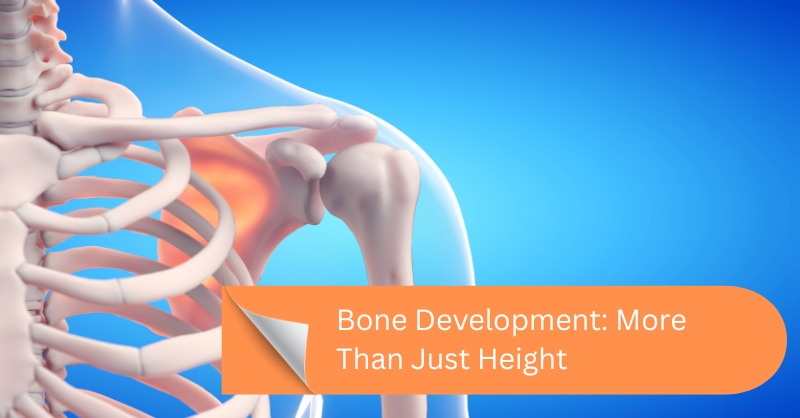
Understanding how puberty affects growth goes beyond measuring height on a doorframe. It’s also about bone density puberty changes and strength. While bones are lengthening, they are also accumulating mineral content, becoming denser and stronger. This period is a critical window for building peak bone mass, which is a major determinant of osteoporosis risk later in life. The hormone effects on growth include signaling the bones to absorb more calcium and other minerals.
Variations and Concerns in the Growth Process
Not everyone follows the exact normal growth patterns puberty. Variations like early puberty growth issues (precocious puberty) and late puberty growth issues (delayed puberty) can affect final height. In precocious puberty growth effects, the growth spurt happens too early, leading to an initial tall stature but early growth plate fusion, potentially resulting in a shorter adult height. Conversely, delayed growth puberty can cause anxiety but often results in a catch-up period. Any significant deviation from the puberty growth chart should be discussed with a pediatrician to rule out underlying growth problems during puberty.
Supporting Healthy Growth During Adolescence
While genetics are the primary blueprint for what affects height during puberty, lifestyle factors play a supportive role. Adequate nutrition (especially protein, calcium, and Vitamin D), sufficient sleep (as GH is pulsed during deep sleep), and regular physical activity are essential. These factors optimize the environment for the growth hormones in puberty to do their job effectively and support healthy puberty development and height outcomes.
Further Reading and Resources
To learn more about the topics discussed in this teen height growth guide, explore these authoritative resources:
- Eunice Kennedy Shriver National Institute of Child Health and Human Development (NICHD): Puberty – Comprehensive overview of pubertal processes.
- HealthyChildren.org (American Academy of Pediatrics): Physical Development During Puberty – A trusted resource for puberty stages and growth patterns.
- The Endocrine Society: Growth Hormone – Detailed information on the role of growth hormone.
- National Institutes of Health (NIH) Bone Health: Childhood and Adolescence – In-depth look at building bone density during youth.
Disclaimer: This blog post is for informational purposes only and is not a substitute for professional medical advice. If you have concerns about your child’s physical growth during puberty or growth problems during puberty, please consult a healthcare provider.