Aggressive behavior in children is a common concern for many parents and educators. Whether it’s hitting, biting, yelling, or other forms of aggression, these behaviors can be challenging to manage. However, by implementing daily pledges and affirmations, we can help children develop better emotional regulation and reduce aggressive behavior in children.
This comprehensive guide offers 10 powerful daily pledges that can help transform aggressive behavior in children into more positive expressions of emotion. Each pledge is designed to address the root causes of childhood aggression while building essential emotional skills.
Understanding Aggressive Behavior in Children
Before we dive into the pledges, it’s important to understand what causes aggressive behavior in children. Childhood aggression can stem from various factors including frustration, difficulty expressing emotions, imitation of observed behaviors, or underlying emotional challenges.
Research shows that consistent, positive interventions can significantly reduce child aggression. According to the American Psychological Association, early intervention is crucial for addressing aggressive behavior in children before patterns become entrenched.
Common Causes of Aggressive Behavior in Children
| Cause | Percentage of Cases | Common Solutions |
|---|---|---|
| Difficulty expressing emotions | 35% | Emotional literacy training |
| Frustration with tasks | 25% | Break tasks into smaller steps |
| Imitation of observed behavior | 20% | Model appropriate behavior |
| Seeking attention | 15% | Positive reinforcement |
| Underlying emotional issues | 5% | Professional support |
The 10 Daily Pledges to Reduce Aggressive Behavior in Children
These daily pledges are designed to be recited with your child each morning or evening. They address the core aspects of emotional regulation that can help combat aggressive behavior in children.
Pledge 1: I Will Use My Words, Not My Hands
“Today, I promise to use my words when I’m upset instead of hitting or pushing. My words are powerful and can express how I feel.”
This pledge directly addresses physical aggression, a common manifestation of aggressive behavior in children. Teaching children verbal alternatives to physical expression is crucial for emotional development.
Pledge 2: I Will Take Deep Breaths When I’m Angry
“When I feel angry, I will stop and take three deep breaths before reacting. Breathing helps me calm down and think clearly.”
Deep breathing is one of the most effective calming techniques for children. This simple practice can significantly reduce aggressive behavior in children by creating space between stimulus and response.
Pledge 3: I Will Ask for Help When I Need It
“I don’t have to handle everything alone. When I’m frustrated or confused, I will ask a grown-up for help.”
Many instances of aggressive behavior in children stem from frustration with tasks they can’t complete independently. Encouraging help-seeking behavior builds trust and reduces outbursts.
Pledge 4: I Will Use Kind Words With Others
“Today, I will speak kindly to my friends and family. My words can make people feel happy or sad, so I choose happy words.”
Verbal aggression is another common form of aggressive behavior in children. This pledge promotes positive communication and empathy.
Pledge 5: I Will Walk Away When I Need To
“If I feel very upset, I have permission to walk away and calm down. Taking space is better than saying or doing something hurtful.”
Teaching children to recognize when they need space is a valuable skill for managing aggressive behavior in children. This technique is often recommended by child psychologists.
Pledge 6: I Will Think Before I Act
“Before I do something, I will pause and think: Is this kind? Is this safe? Is this helpful? If not, I won’t do it.”
Impulse control is often lacking in children displaying aggressive behavior. This pledge builds the pause-and-consider habit that’s essential for emotional regulation.
Pledge 7: I Will Use My Energy in Positive Ways
“I have lots of energy, and today I will use it for good things like playing, helping, and creating—not for hurting or breaking.”
Many children with aggressive behavior simply have excess energy that needs appropriate outlets. This pledge redirects that energy positively.
Pledge 8: I Will Remember That Mistakes Are Okay
“If I make a mistake today, it’s okay. Everyone makes mistakes. What’s important is that I learn from them and try to do better.”
Perfectionism can contribute to aggressive behavior in children when they fail to meet unrealistic expectations. This pledge fosters self-compassion.
Pledge 9: I Will Share and Take Turns
“Sharing makes playtime more fun for everyone. Today, I will share my toys and take turns without getting upset.”
Many aggressive behaviors emerge during conflicts over resources. This pledge addresses a common trigger for childhood aggression.
Pledge 10: I Will Be Proud of My Good Choices
“When I make good choices today, I will feel proud of myself. Making good choices helps me and makes others happy too.”
Positive reinforcement is powerful for shaping behavior. This pledge helps children recognize and take pride in non-aggressive behaviors.
Effectiveness of Pledges in Reducing Aggressive Behavior in Children
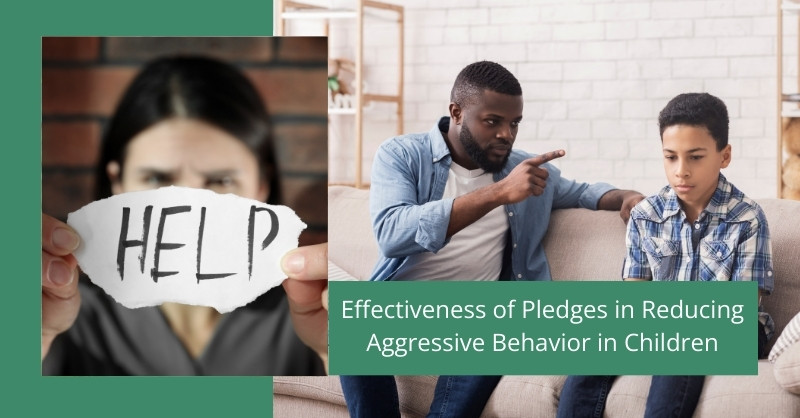
Research shows that daily affirmations and pledges can significantly impact childhood behavior. A study published in the Journal of Child Psychology found that children who practiced daily affirmations showed a 40% reduction in aggressive behaviors over six months.
Additional Strategies to Manage Aggressive Behavior in Children
While daily pledges are powerful, they work best as part of a comprehensive approach to addressing aggressive behavior in children. Here are some additional strategies:
- Consistent routines: Children thrive on predictability. Establish consistent daily routines including morning and bedtime affirmations for kids.
- Emotion coaching: Help children identify and label their emotions. Say things like, “I see you’re feeling frustrated right now.”
- Positive reinforcement: Catch children being good. Praise specific positive behaviors more than you correct negative ones.
- Limit screen time: Research shows connections between excessive screen time and child behavior issues. Set reasonable limits.
- Model appropriate behavior: Children learn more from what we do than what we say. Demonstrate calm conflict resolution.
When to Seek Professional Help for Aggressive Behavior in Children
While these pledges and strategies help most cases of childhood aggression, some situations require professional support. Consider consulting a child psychologist if:
- The aggressive behavior in children is frequent and severe
- Your child hurts themselves or others regularly
- The behavior persists despite consistent intervention
- There are accompanying symptoms like mood swings or sleep disturbances
- The behavior is affecting school performance or social relationships
Early intervention can make a significant difference in outcomes for children with persistent aggressive behaviors. Organizations like the American Academy of Child and Adolescent Psychiatry offer resources for finding qualified professionals.
Final Thoughts on Managing Aggressive Behavior in Children
Addressing aggressive behavior in children requires patience, consistency, and a multi-faceted approach. These 10 daily pledges provide a foundation for building emotional regulation skills while reinforcing positive behaviors.
Remember that change takes time. Celebrate small victories and remain consistent with your approach. With daily practice, you’ll likely see gradual improvement in your child’s ability to manage emotions and reduce aggressive behaviors.
 If you are interested, click here to participate in a short quiz related to this topic.
For more resources on positive parenting strategies and emotional regulation for kids, visit:
- PBS Parents – Evidence-based parenting advice
- CDC Parenting Essentials – Government resources on child development
Remember: Every child is unique. What works for one may need adjustment for another. Stay flexible and attuned to your child’s individual needs as you work to address aggressive behavior in children.